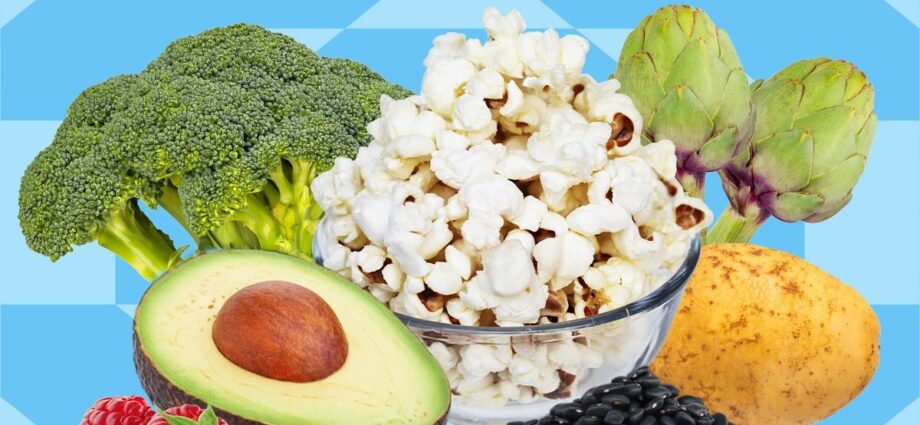
These fiber-rich foods just became your new meal-prep best friends.
It’s no secret that fiber is important for a balanced diet. And while adding protein to your meals is certainly a movement that’s been enjoying its moment in the sun, fiber deserves a similar spot of honor in your daily meal prep.
There’s been a growing buzz around gut health over the last few years, and we don’t see that slowing down anytime soon. In fact, we suspect eating more fiber will be one of 2026’s biggest food trends. High-fiber foods offer plenty of health benefits, from smoother digestion to heart health support and satiety after meals.
Adding more fiber-rich foods to your plate is an easy way to nourish your gut and feel your best every day. As always, anyone with specific dietary concerns should check with a medical professional before making changes, but if you’re simply aiming to boost your fiber intake, these 14 fiber-rich foods are a great place to start. Your gut will thank you!
1 / 14
Mark Derse for Taste of Home
Lentils
Lentils might be one of the most impressive foods on the planet. They’re cheap and endlessly versatile, and 1 cup of cooked lentils contains a whopping 16 grams of fiber. That’s roughly half the recommended daily intake for adults, which is 25 to 30 grams.
Like their legume friend green peas, lentils are also very high in protein. Beloved lentil recipes include soups and stews, but the legume can also be used as a meat substitute in dishes like tacos, veggie burgers or pasta sauces.
Black beans are one of the easiest and most budget-friendly foods that can be used to boost fiber. One cup of cooked black beans contains about 16 grams of fiber and 14 grams of protein, making them a powerhouse ingredient when it comes to both gut health and keeping you full.
Plus, there are so many ways to cook with black beans, which is why we always keep a couple of cans in the pantry. Stir them into soups, add them to breakfast burritos, sprinkle them on salads, or use them to stretch meat-based dishes like taco filling and beef chili.
Creamy, satisfying and packed with nutrition, avocados are a true fiber superstar. One cup of sliced avocado (roughly one medium avocado), delivers about 13 grams of fiber—as well as heart-healthy fats to enhance fullness, and a variety of vitamins and minerals. Smash avocado on sourdough toast, toss it into salads or grain bowls, or blend it into smoothies for extra creaminess.
Chances are you’ve come across a recipe for chia seed pudding after scrolling on social media. Just 1 ounce (about 2 tablespoons) of chia seeds contains a whopping 10 grams of fiber, making these tiny seeds a mighty way to boost your intake. You can also add them to smoothies, sprinkle them on salads or mix them into yogurt for a mighty fiber boost with very little prep.
Berries are secret fiber rockstars, and raspberries really shine. A single cup of raspberries contains 8 grams of fiber, so go ahead and load up! They’re delicious in smoothies, as a topping on oatmeal or Greek yogurt, or eaten straight from the pint. And for an easy way to boost fiber at any meal with no extra prep or cooking required, simply add a handful on the side of breakfast or lunch, or enjoy them for dessert.
Green peas bring both fiber and protein to meals without much effort. One cup of cooked green peas contains about 7 grams of fiber and 8 grams of protein, making this little green powerhouse a true nutritional all-star.
Try mixing them into pasta dishes, adding them to wraps, or stirring them into tuna salad for a quick, satisfying boost of nutrition. Of course, a scoop of buttered green peas makes an easy side dish, too—especially when you start with a bag of frozen peas.
If you’re looking for an easy fiber win, reach for a box of bran flakes. One cup of this heart-healthy cereal provides about 7 grams of fiber (though this can vary by brand), which is roughly 23% of your daily fiber needs. If plain bran flakes don’t excite you, try enjoying a bowl with milk and fruit, layering them into a yogurt parfait for crunch or stir them into baked goods for extra fiber.
Artichokes are one of those underrated veggies that really deserve more love—especially when it comes to fiber. One medium artichoke, (equivalent to about 1/2 cup of artichoke hearts), packs 7 grams of fiber, making it one of the most fiber-rich vegetables you can eat. Roast them, grill them or stir them into pastas and dips to support digestion.
One medium pear contains about 6 grams of fiber, making this sweet fruit a simple way to help boost your daily intake. Much of that fiber is in the skin, so be sure to leave the skin on if you’re snacking on a fresh pear. This juicy fruit is versatile and can be used in hot and cold pear recipes. Try enjoying them fresh in salads or baked into desserts, or use them as a twist in anything that you usually make with apples.
Potatoes are the ultimate comfort food that also provides a nutrient boost. Yes, the humble potato is actually a great source of fiber! Whether you prefer Russets or sweet potatoes, a medium baked spud contains about 4 grams of fiber, and nearly half that fiber is found in the skin.
If you really want to fiber-max, top your potato with other fiber-rich veggies like black beans and broccoli for an easy, satisfying weeknight meal. Maybe that’s they’re Dolly Parton’s favorite food!
Oats are a cozy, comforting way to add more fiber to your day. A typical 1/2-cup serving of uncooked oats (about 1 cup when cooked) contains 4 to 5 grams of fiber, including a special type of fiber called beta-glucan that’s known for supporting heart health. A warm bowl of oatmeal topped with fruit and nuts is a satisfying breakfast choice, but you can also enjoy oats soaked overnight, baked into muffins, or blended into smoothies.
Popcorn might be a surprising source of fiber, but it actually counts as a whole grain and delivers about 4 grams of fiber for every 3 cups of popped corn. Light and crunchy air-popped popcorn is the most nutritious option, since it keeps added fat and calories in check. Season it simply with a drizzle of melted butter or a spritz of olive oil, and sprinkle it with salt, nutritional yeast or your favorite spices.
Almonds are a crunchy, satisfying way to sneak more fiber into your day. While 1 cup of whole almonds packs about 18 grams of fiber, that’s much more than a typical serving—though since almonds are calorie-dense, they can be easy to overeat. A more realistic portion is 1 ounce (about 23 almonds), which still delivers roughly 4 grams of fiber, along with protein and healthy fats to help you feel full.
For an extra filling snack, pair a serving of almonds with another high-fiber food, like a handful of fresh raspberries. You can also sprinkle sliced almonds over salads or yogurt, or add sliced almonds to stir-fries or homemade granola for a fiber boost.
In addition to being delicious, broccoli pulls its weight in terms of nutrients. One cup of cooked broccoli contains about 2.5 grams of fiber, making it an easy veggie to love on when you’re trying to eat more fiber. It’s versatile, and most broccoli recipes can be made with a bag of frozen broccoli florets for convenience. You can even roast broccoli straight from frozen—no chopping or prep required.