 Skip to content
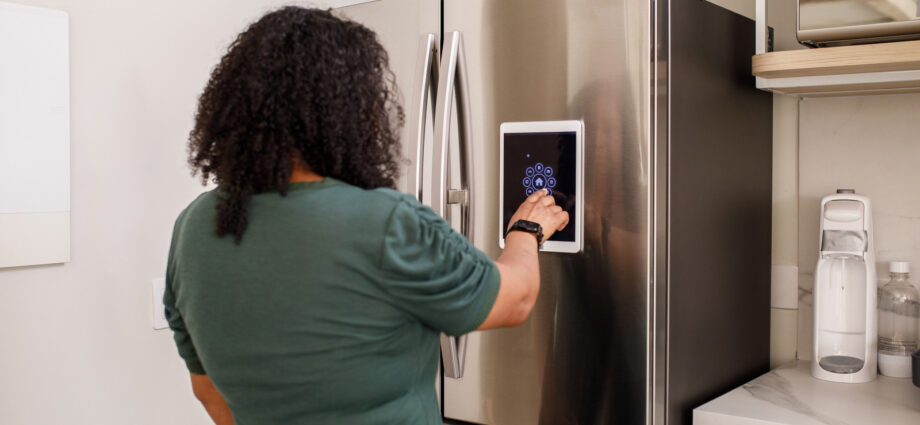

Capuski/Getty Images
Not everything in a home needs an internet connection to work well, and smart refrigerators are among the clearest examples. These appliances are designed to keep food frozen longer so you can consume it later, but many companies have already tried to create improved versions. So, even though the technology initially drew attention, users still found several reasons to ditch a smart refrigerator.
For many people, investing in easy smart home upgrades for beginners is worth it, and some items justify the extra cost, but refrigerators rarely make that list. Despite the promise of convenience around adding a smart fridge to your kitchen, you may start facing problems months after the purchase, whether because you do not use its functions or because the manufacturer ends software support for your device. These situations show that the more an appliance depends on connectivity, the greater the chance it will disappoint the user.
Smart features don’t justify the premium price tag
Thai Liang Lim/Getty Images
One of the main reasons users ditch a smart refrigerator is its set of features. At first, it may seem interesting to have an AI-powered fridge that suggests recipes using an internal camera to find the products you need more easily, or even one that updates your shopping list automatically. However, the desire to use these gimmicks usually does not last long, and users return to using them conventionally, opening the door to checking everything manually.
Since the smart refrigerator’s main function, keeping products cold, does not change much compared to a dumb fridge, many users wonder whether paying extra for these features was worth it. An entry-level Smart Refrigerator can cost more than $2000, while a conventional one with the same capacity costs $1000 or even less. So, in practice, you end up paying extra for something you stop using after a few months.
Electronic components lead to costly repairs
Fotomax/Getty Images
Another recurring reason among users who bought a smart refrigerator but later abandoned it is the product’s reliability. Over time, many started to notice that the appliance presents more problems than a conventional refrigerator. The screen can freeze, sensors may stop responding, and the same conventional problems that can occur in a dumb version may still appear.
Because of the engineering behind these smart refrigerators, manufacturers need more electronic components to produce them. This also increases the number of parts that can fail over the years. Repair prices also vary a lot, since a common smart fridge costs an average of $150 to $500 to fix. However, problems with its “smart” side, such as the digital control board, cost more due to specific parts and specialized knowledge.
In the end, the user pays a higher price for the product but also has to prepare for extra expenses. If a problem happens, especially with the electronic components, the costs just become higher, which is why checking the most reliable refrigerator brands before buying is a safer investment.
Built-in screens are being used to display intrusive ads
Adventtr/Getty Images
Today, ads appear practically everywhere, even in spaces that once promised the opposite. For example, when streaming services started becoming popular, they sold the idea of ad-free platforms, but today they push cheaper plans full of ads, while ad-free plans keep getting more expensive. So, having a smart refrigerator at home means having one more screen for ad space.
In 2025, for example, Samsung confirmed that Family Hub refrigerators would show ads as part of a pilot program for its Smart Refrigerator lineup. In fact, a user who found an ad for the series “Pluribus” on the screen posted that they would return the product. Other users also posted similar reactions, with one saying they paid extra for the smart appliance to have a screen for controlling devices, not to serve ads.
However, even if companies offer the option to turn off ads, users also lose useful information, such as the weather forecast, since both occupy the same space. Some Samsung competitors have not followed the same path yet, but as happened with streaming and smart TVs, this may only take time.
Smart functions break when software support eventually ends
Jae Young Ju/Getty Images
Unlike a regular refrigerator, which can run normally for years in good condition, smart features depend on the manufacturer continuing to provide software support. The problem is that companies do not always communicate this decision clearly to users, and support can end with little to no warning. So, in some models, you cannot know how long the features will continue to work as intended.
After support ends, all smart functions in a refrigerator start to degrade or stop working over time, so you basically end up with a conventional refrigerator at a premium price. Depending on the model you bought, some still need software and cloud connectivity to run basic functions such as temperature control. In these cases, the refrigerator’s own purpose can suffer. In addition, there are also security issues. Without updates, the refrigerator can become a target for attacks that use it to access your home network and spread malware to other devices.
Constant internet connectivity creates privacy and network risks
Fujicraft/Getty Images
For users concerned about privacy and how companies use their data, this can be another problem with a smart refrigerator. It sends and receives information from the internet all the time while connected, so you buy a device to store food, but it stays connected to the network. In theory, this keeps some functions active, but in practice, several could work just as well without depending on the network.
One user, for example, reported that they liked using the weather and music functions on the appliance, but had to block several Samsung resources because they saw them as a privacy problem. In fact, many people recommend isolating smart home devices on a separate VLAN precisely because they see no reason for a refrigerator to need so much freedom to connect online. For many people, this extra layer of care does not make up for the convenience a smart fridge brings to the home.
