 Skip to content
Guitar World Verdict
There are a lot of people building pedals right now, and the Attic Audio Putty proves there’s still plenty of space for innovation. Despite its decidedly utilitarian function, you can conjure a lot of different sounds, which ends up making it quite the creative tool. From tone sweetening to pushing a clean amp into full-on chaotic saturation, there isn’t a bad setting here. It’s pretty keenly priced too, making it a worthy option for players who need a multi-role overdrive pedal that fits into various slots.
Pros
- +
Can play a variety of roles.
- +
Sounds great in all modes.
- +
Momentary and latching footswitch.
- +
Simple to start dialing in sounds but plenty of depth.
Cons
- –
Side switch is a little flimsy and awkward to access on a pedalboard.
You can trust Guitar World
Our expert reviewers spend hours testing and comparing guitar products so you can choose the best for you. Find out more about how we test.
What is it?
Coming out of the Mediterranean archipelago of Malta, the Attic Audio Putty is a multi-role overdrive pedal that can be a preamp, boost, overdrive, or even a fuzz. Partly inspired by the Boss FA-1 preamp, which found a cult following as part of The Edge’s setup, this is a utilitarian stompbox that aims to fill many gaps on the pedalboards of all sorts of guitar players.
Attic Audio is a one-man band, helmed by Luke Galea. The catalogue is small, with just a few active products in the range, including a tongue-in-cheek Klon clone housed in a Big Muff casing and a passive reamp box. All of Attic Audio’s pedals come with a lifetime warranty and free repairs, a nice plus of buying from a smaller builder.
The Putty requires a 9V pedalboard power supply and can’t be run on battery power. It runs at a higher internal voltage as specified in the manual, so no feeding it 18V. The footswitch can operate as both latching and momentary, and if you hold it down during power up, you can toggle which power state it defaults to when it comes on.
Latest Videos FromGuitar World
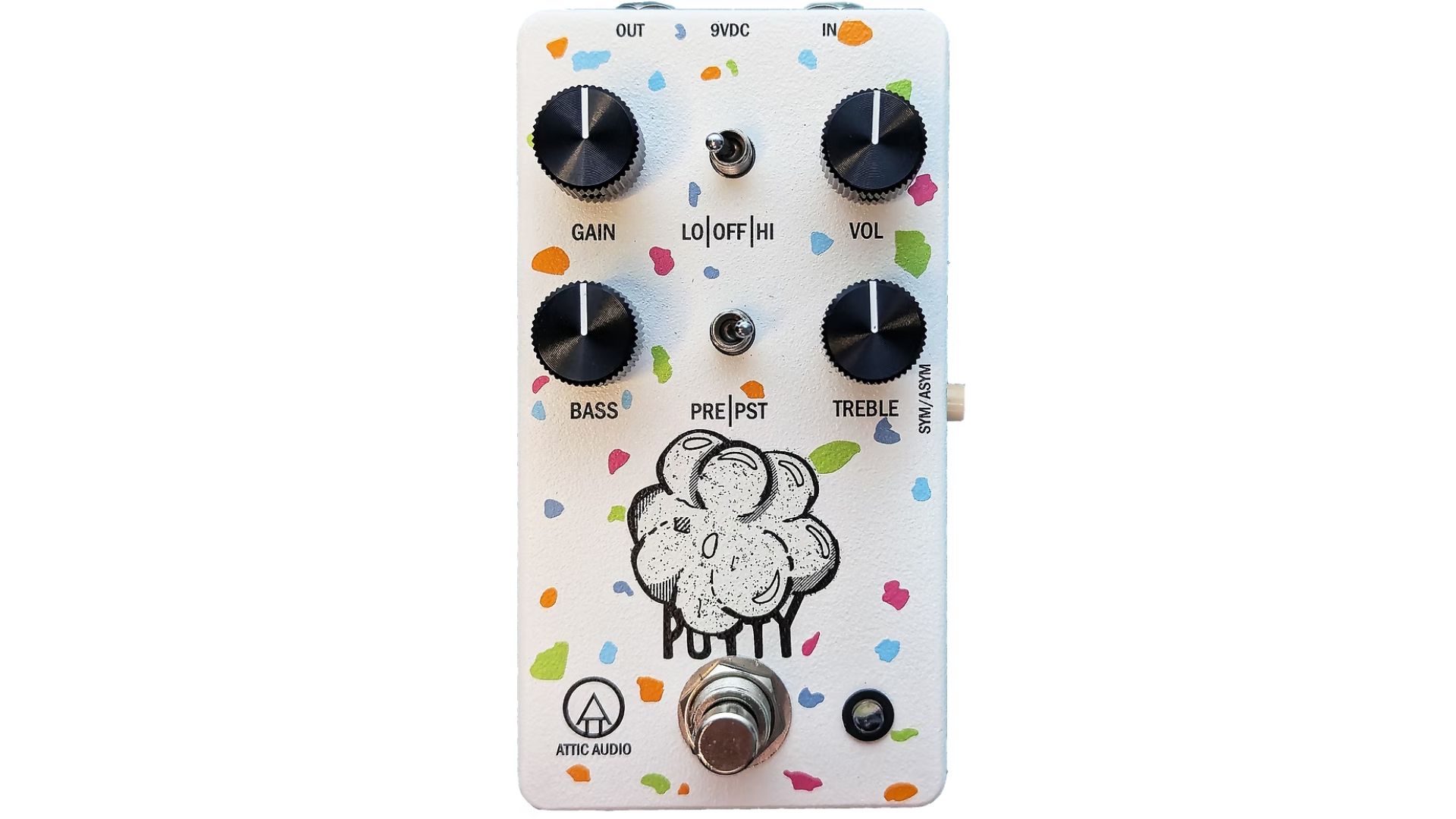
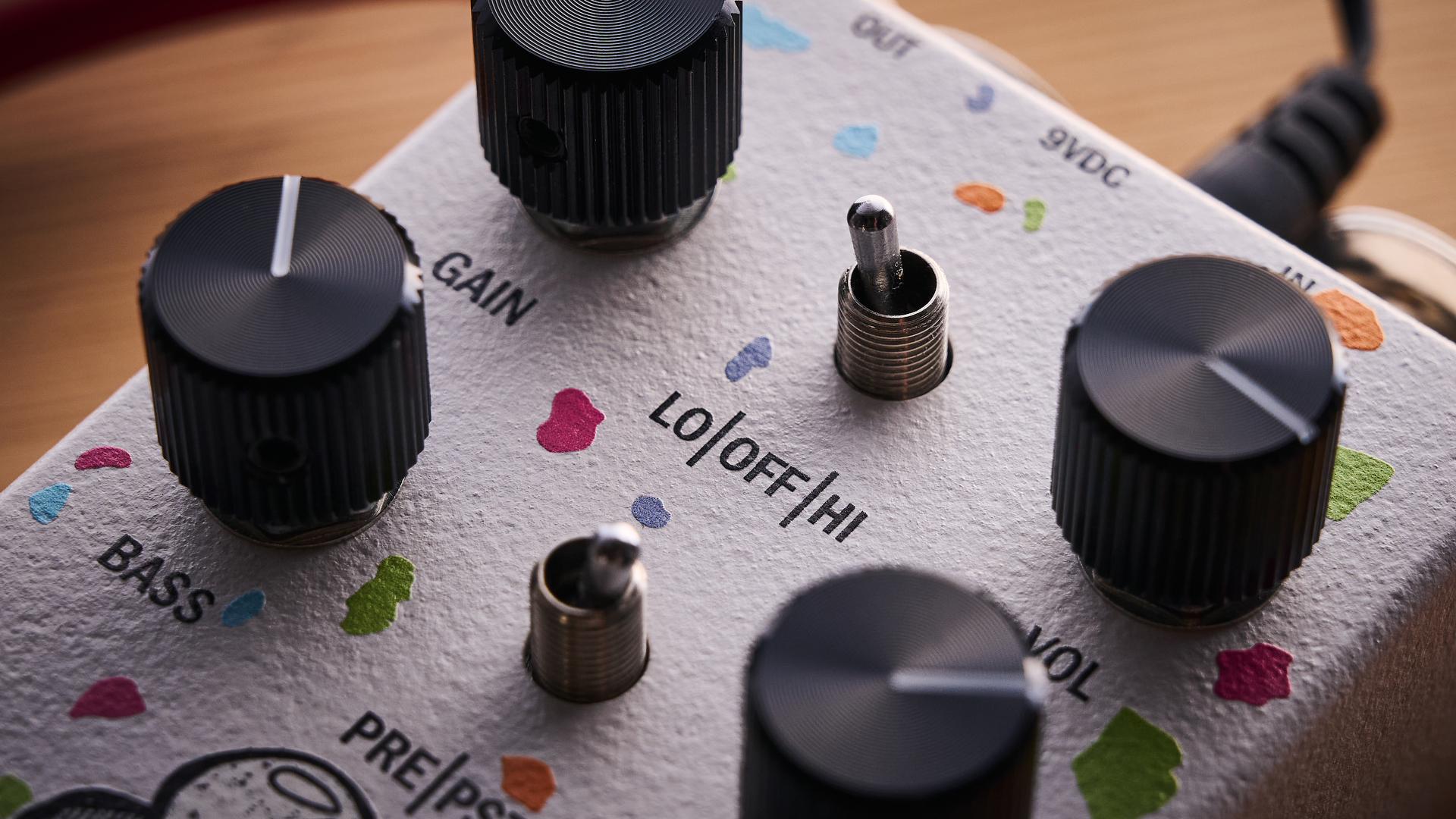
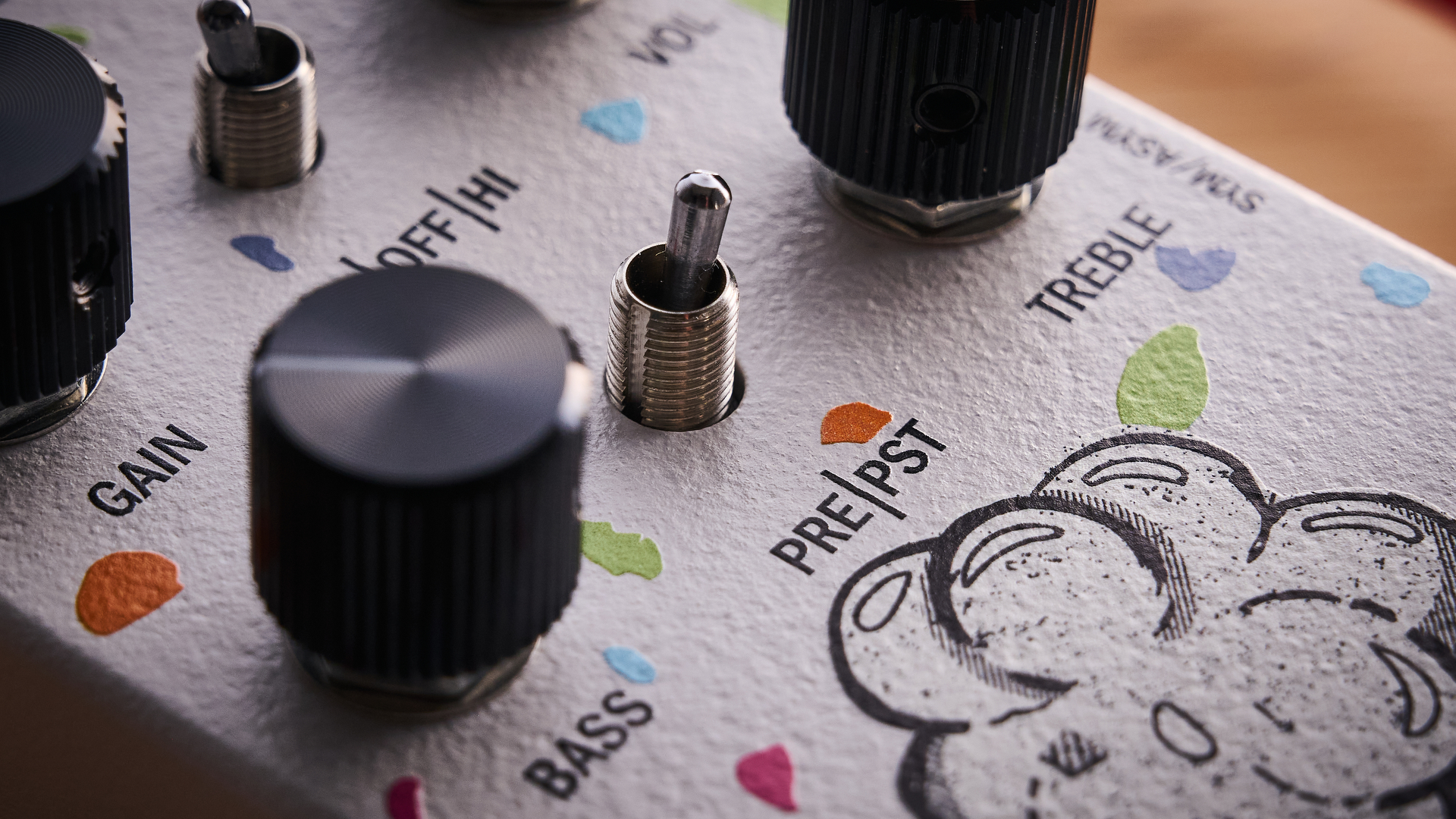
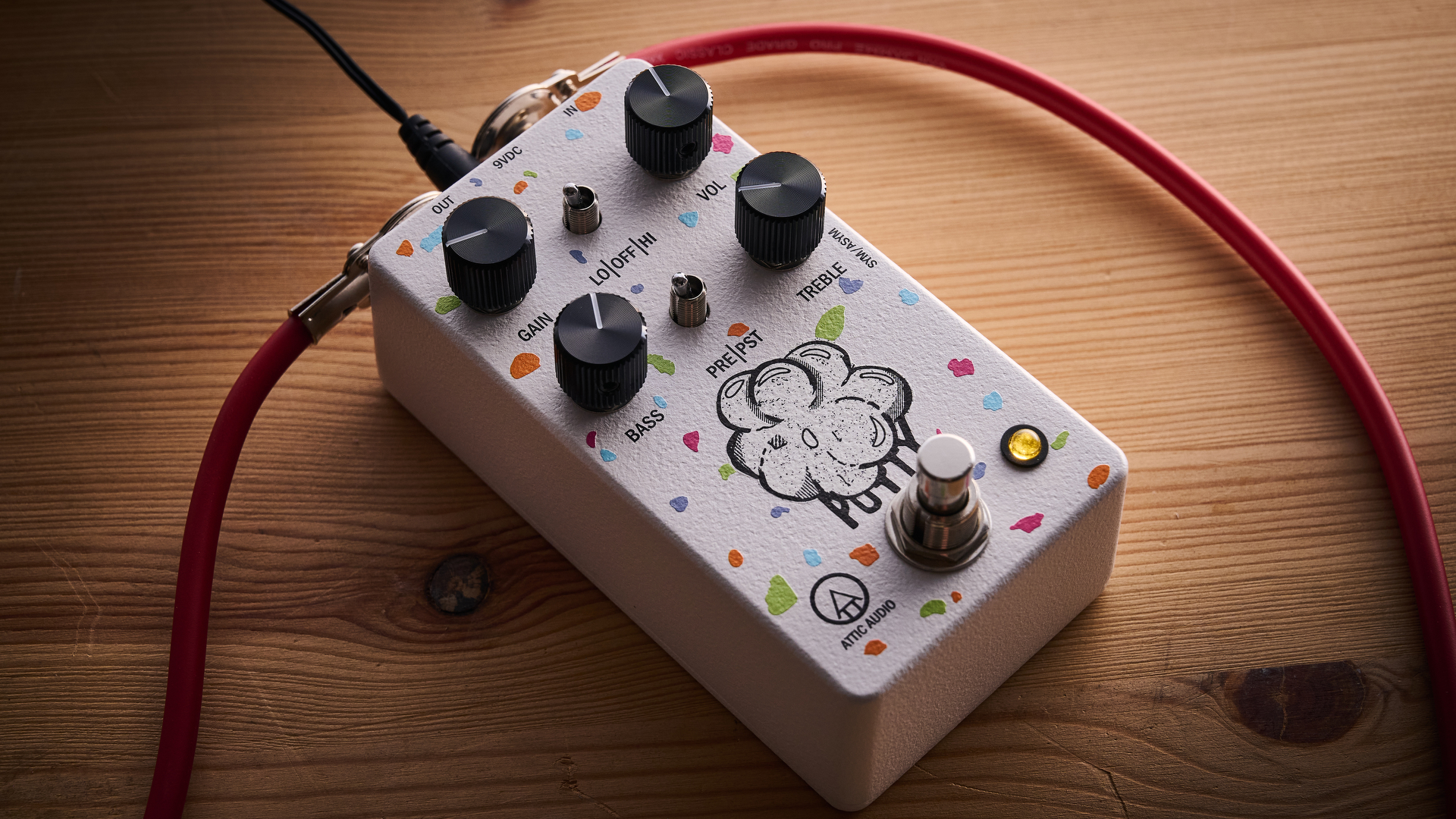
It’s an active EQ with +/-15dB gain and ~350Hz cutoff on the bass control, and +/-10dB gain and ~1.2kHz cutoff on the treble side. The EQ can be placed pre- or post-gain.
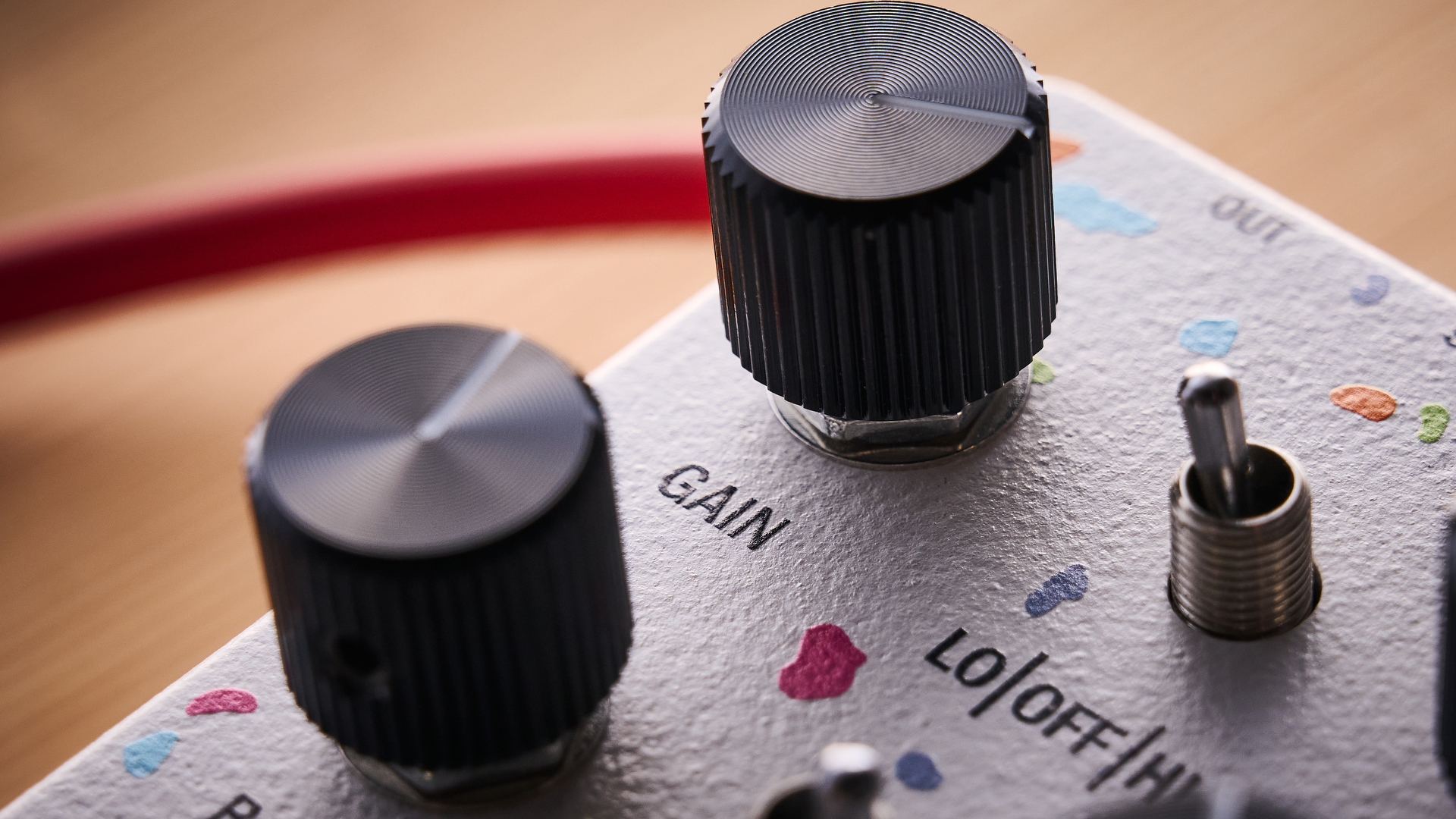
The gain knob is listed as a saturation control rather than conventional drive, and it has three clipping modes: lo, off, and hi for varying levels of saturation. It’s also got a symmetrical or asymmetrical button, with pressing in unlocking the former and unpressed engaging the latter.
Specs
- Launch price: $217.16 | £179 | €120
- Type: Preamp / overdrive / fuzz / boost pedal
- Controls: Gain, Volume, Bass, Treble, Clipping mode toggle (Lo/Off/Hi), Pre/Post EQ toggle, Clipping type push-button (symmetrical/asymmetrical)
- Features: Boss FA-1-inspired preamp circuit using saturation-based gain rather than a standard clipping stage
- Connectivity: 1/4″ TS input (2.2MΩ impedance), 1/4″ TS output (470Ω impedance)
- Bypass: True bypass (momentary/latching)
- Power: 9V DC, centre-negative, 20mA max
- Dimensions: 122 x 66 x 39mm
- Weight: 0.32 kg
- Contact: Attic Audio
Build quality

Build quality rating: ★★★★½
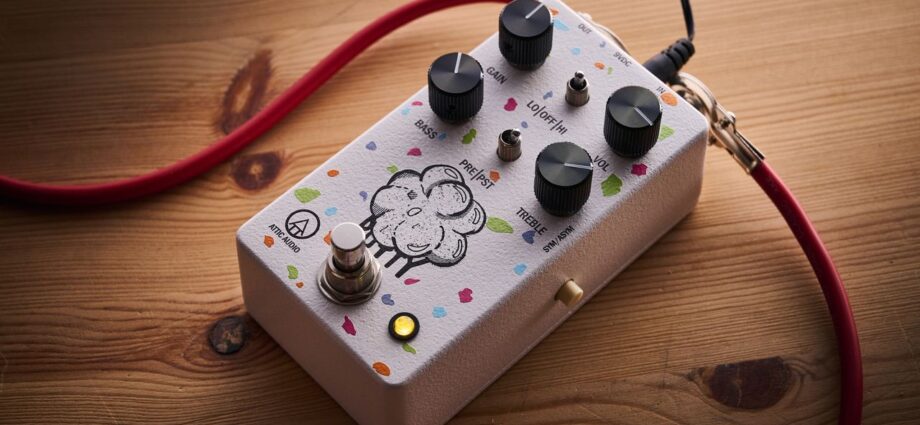
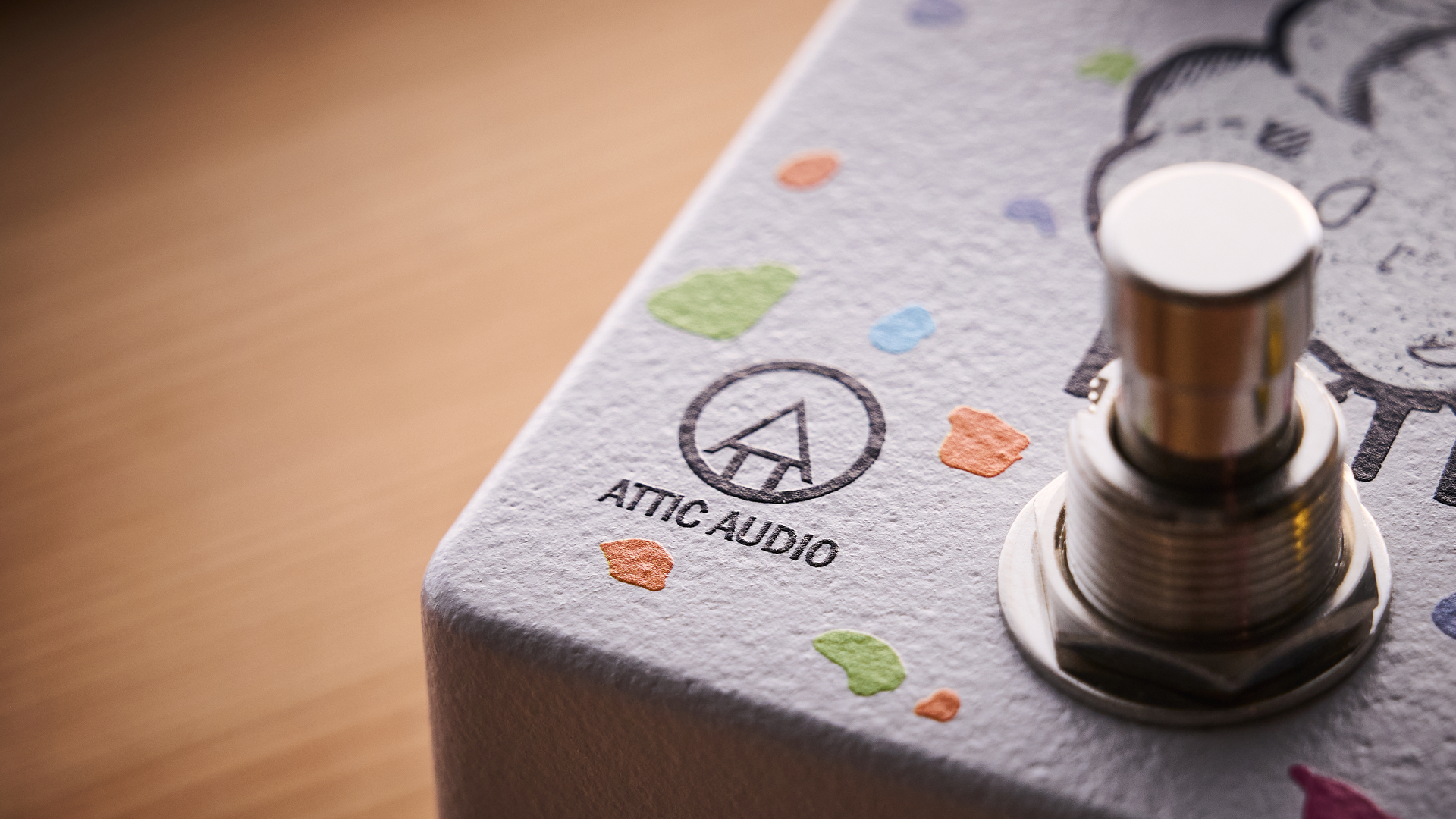
Taking the Putty out of the box, it feels relatively lightweight and comes in at 320g on my scales. The chassis is lightly textured all over and comes in a very bright white with some small dashes of color. The hand-drawn graphic of a piece of putty seemingly squashing the word itself sits in the centre along with the Attic Audio logo and a white LED on either side of the footswitch. The LED is really bright and easily visible. Just don’t look at it directly unless you want to see spots.
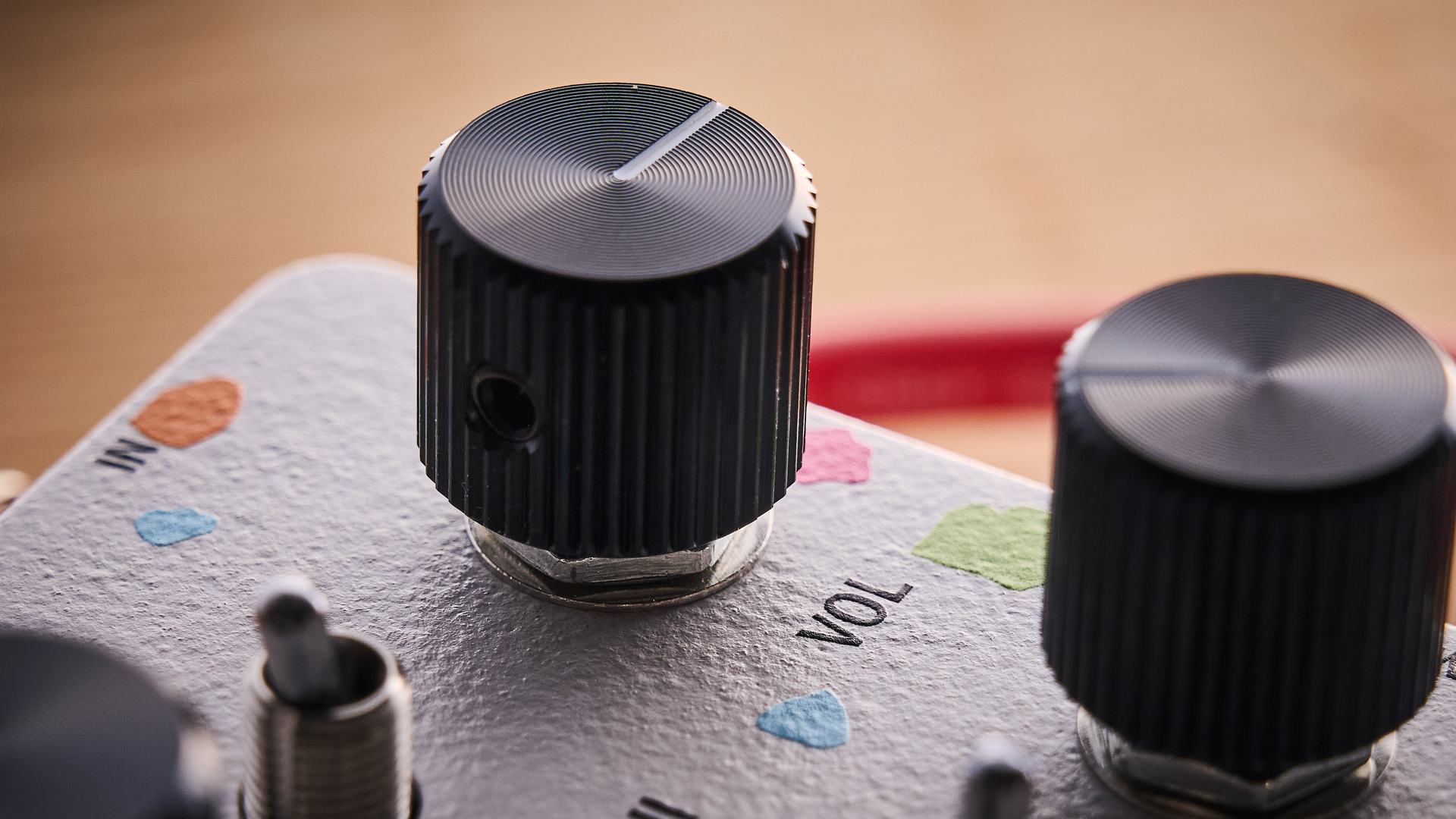
Getting hands-on with the familiar four-knob layout, each component feels very well applied. The knobs have a firm-ish travel that makes fine adjustments easy, and each sits slightly proud of the chassis itself. The switches are quite small, and some may find them fiddly nestled between the knobs, especially as they require a decent push to get them into position.
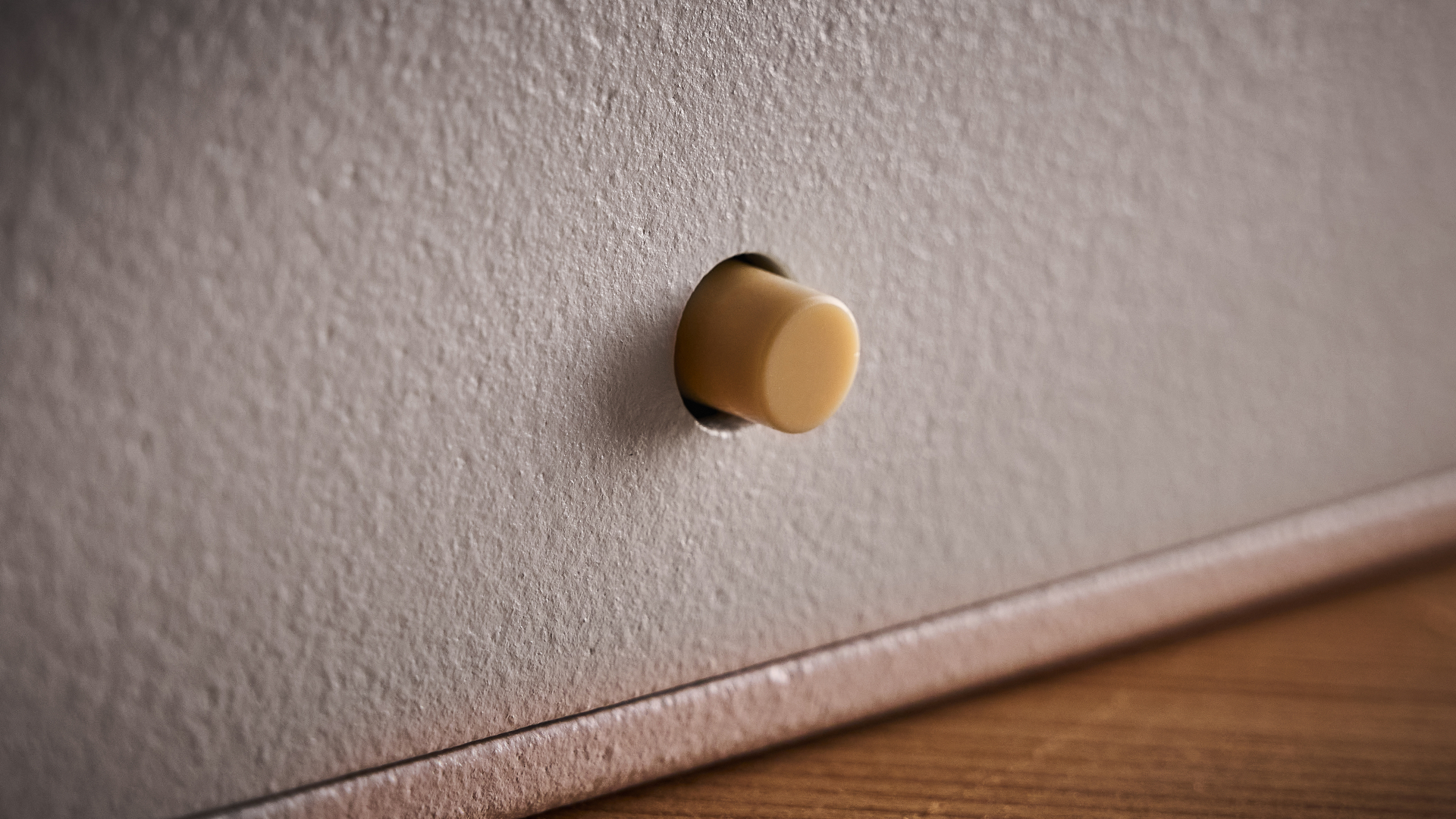
The sym/asym button feels a little flimsier than the rest of the controls. It moves around in its housing and doesn’t provide a very satisfying click when you push it in. It’s an outlier, though. The footswitch feels very robust, and I don’t doubt it will put up with repeated stomping in momentary mode. It’s got a very quiet operation, with just a faintly audible click when it returns to the up position.
Usability and features
Usability and features rating: ★★★★½
Handily, the manual gives four settings to start with
On the face of it, the Putty is another overdrive with the standard four-control layout. But there’s a little more to it than that. Three additional switches bring the total to seven controls, which means there’s more flexibility here than you might think at first. Handily, the manual gives four settings to start with that cover the range of sounds this pedal is capable of producing: a clean boost, a light rhythm tone, a more overdriven sound, and fuzzy distortion.
Most players will find it easy enough to start turning knobs, though, and the additional switches give you plenty of flexibility to tweak the pedal so it works well with your amp or other gain stages. Those who have a packed pedalboard may find the side switch for symmetrical or asymmetrical clipping slightly awkward to reach, though.
The momentary/latching switch is a cool feature and works really well in practice. It makes more sense if you’re not using it as an always-on pedal, of course, but handily it works whether the pedal is engaged when you first press it or not. That means you could pre-empt switching it off by holding it down and releasing when you need the change, if you wanted.
Sounds
Sounds rating: ★★★★★
The Putty as a clean boost is really, really good
With every knob at around 2 o’clock, the EQ on post, and clipping mode off, I start with the pedal engaged on the clean channel of my Orange Rocker 32 tube amp, using the humbucker pickup on a Sire S7.
The Putty as a clean boost is really, really good. It does exactly what a clean boost should do: it takes the core amp tone and livens it up. The resulting sound is fuller and fatter without drastically altering the overall tonality.
Setting the clipping mode switch to ‘lo’ makes it act more as a transparent overdrive pedal, with a nice bit of grit that’s great for light rhythm work. I do need to play with the EQ settings to get it sounding right with my amp, though. Turning the gain up, switching to the ‘hi’ clipping mode, I can eke out a lot from a totally clean amp. It doesn’t quite get to metal distortion, but certainly enough for fuzzed-out hard rock riffs.
Playing with the sym/asym switch allows for symmetrical or asymmetrical clipping, and there is a noticeable difference at higher gain values. It sounds more aggressive and fuzzier with the switch engaged in symmetrical mode. It’s a really cool additional feature that unlocks a lot of extra tones from the core knob settings.
The low-end EQ is particularly powerful
With the EQ on pre, it doesn’t really do much. With it in post, there’s a more noticeable difference on lower-gain stuff, and a very noticeable difference on higher-gain settings. As you’re EQing an already saturated sound, it makes sense that you’d hear more of a difference here. The low-end EQ is particularly powerful, and adds some thunderous low-end energy to my tone. The clean channel of my amp has absolutely no right sounding this heavy.
Switching to the dirty channel of my amp with a nice crunch setting, the pedal can easily push the tone into metal territory. It gets super saturated and heavy sounding, and even maxing out the gain control and the ‘hi’ clipping mode engaged, it never farts out, delivering maximum aggression while maintaining clarity. It can be made to sound like fuzzy RAT-style distortion, or just used as an overdrive pedal to tighten up the amp sound.
Verdict
Try as I might, I couldn’t really get it to sound bad
To be totally honest, when I was given the Attic Audio Putty, I thought it was going to be another overdrive pedal, but it proved me wrong. Although I like it best as a clean boost, it’s got enough flexibility of tone here to play pretty much any role, whether that’s boost, fuzz, drive, or distortion.
It’s super easy to use despite the depth of tone on offer, and try as I might, I couldn’t really get it to sound bad. It works beautifully with other drive pedals in my collection, on both the clean and dirty channels of my amp, as well as being in front of the amp or in the effects loop. The only real downside is I didn’t have two of them, so I couldn’t get it to act as a clean boost and as an overdrive simultaneously.
Guitar World verdict: There are a lot of people building pedals right now, and the Attic Audio Putty proves there’s still plenty of space for innovation. Despite its decidedly utilitarian function, you can do a lot of different sounds, which ends up making it quite the creative tool. From tone sweetening to pushing a clean amp to full-on chaotic saturation, there isn’t a bad sound here. It’s pretty keenly priced too, making it a worthy option for players who need a multi-role overdrive pedal that fits into various slots.
Swipe to scroll horizontally
|
Test |
Results |
Score |
|---|---|---|
|
Build quality |
Very well put together, sym/asym button is a little flimsy. |
★★★★½ |
|
Usability and features |
Simple to use, well labelled, but sym/asym button is awkwardly located. |
★★★★½ |
|
Sounds |
Capable of a huge array of sounds from boost, drive, dist, or fuzz. |
★★★★★ |
|
Overall |
A really versatile drive pedal that can play a lot of roles. |
★★★★½ |
Also try
JHS Clover
$199 | £174
If you’re looking for a pedal that also carries the spirit of the Boss FA-1 preamp, the JHS Clover will be right up your street. It’s got bags of volume to push a tube amp into saturation, has a versatile EQ for tone tweaking, and does that same ‘your tone but better’ kind of sweetening.
Aion FX Prism
$84 | £63
Okay, so you do have to build this one yourself, but if you want the FA-1 circuit on the cheap, the Aion FX Prism is the way to go. It takes a very similar version of the original preamp circuit and puts it in a more pedalboard-friendly format, all for a price well below $100.
Empress Effects Drive
$279 | £269
Like at Putty, the Empress Effects Drive is all about giving you options. Its control array lets you craft anything from clean boost to rich overdrive, and with five EQ controls you can sculpt a lot of different tones out of this one. It also has a VU-style meter built into the front so you can see just how much you’re saturating.
Hands-on videos
Pedals and Tea
EytschPi42
HAVE YOU HEARD OF THIS BRAND? – YouTube


Matt is a Junior Deals Writer here at Guitar World. He regularly tests and reviews music gear with a focus on guitars, amps, pedals, modelers, and pretty much anything else guitar-related. Matt worked in music retail for 5 years at Dawsons Music and Northwest Guitars and has written for various music sites including MusicRadar, Guitar Player, Guitar.com, Ultimate Guitar, and Thomann’s t.blog. A regularly gigging guitarist with over 20 years of experience playing live and writing and recording in bands, he’s performed everything from jazz to djent, gigging all over the country in more dingy venues than you can shake a drop-tuned guitar at. When not writing articles for Guitar World, you’ll find him making a racket with northern noise punks Never Better.
” data-join-the-conversation-text=”Join the Conversation”>
You must confirm your public display name before commenting
Please logout and then login again, you will then be prompted to enter your display name.
