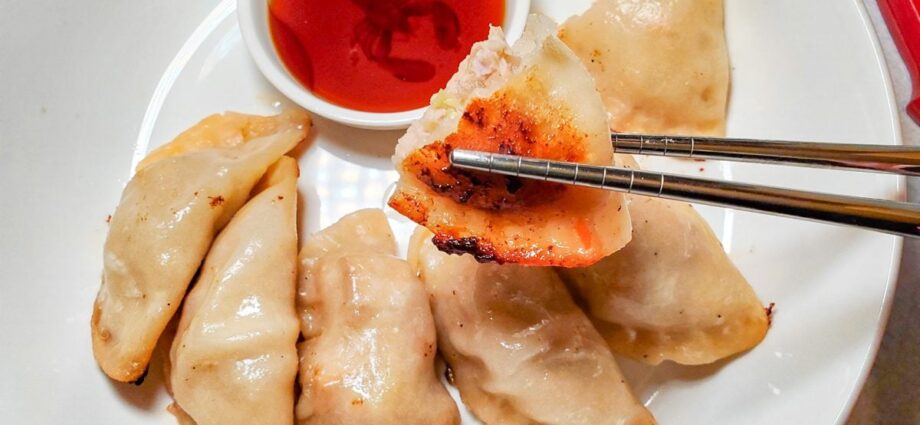
The occasional takeout order won’t break the bank—but relying on it for every meal is a problem. So, I learned to make my favorite dish at home.
Our editors and experts handpick every product we feature. We may earn a commission from your purchases. Learn more.
The occasional restaurant pickup usually isn’t a budget breaker. However, when folks rely on takeout or delivery as their only easy dinner solution, it can become a problem.
According to licensed financial social worker and certified financial therapist John Hankins, worrying about spending too much on takeout is a common financial pain point. “I often hear that someone recognizes that they are spending too much on takeout, but can’t seem to get it under control,” says John. With rising food prices and sky-high service fees implemented on almost every delivery platform, it’s no secret that takeout is more expensive than ever. For many folks, this means hundreds of dollars—and in some cases, more—down the drain each month.
After speaking with John, I realized something shocking about my own habits. Some months, I’m paying $300 on takeout. And I’m usually splurging on the same dish!
Since my go-to Chinese dumplings order is too delicious to take out of my meal rotation, that left just one solution. I wanted to learn how to make dumplings at home so I could stop ordering them once a week. Luckily, I found a non-intimidating solution that lets me make my dumplings and eat them, too.
“As in many areas where the goal is change, in this case I want the client to be moving towards something, an efficient and enjoyable process for cooking at home, vs. moving away from too much takeout.”
John Hankins
licensed financial social worker and certified financial therapist
Why You Should Learn How to Make Chinese Dumplings
EMILY WAY FOR TASTE OF HOME
Learning a few “go-to” takeout alternatives not only helps curb cravings for takeout but also supports the incremental changes John discussed earlier. Swapping your favorite takeout for home-cooked alternatives is also a great way to save money and level up your kitchen skills. Plus, learning some freeze-ahead or minimal prep meals may take some time upfront, but doing it consistently saves a lot of time in the long run.
And according to Chef Kathy Fang, chef and co-owner of Fang Restaurant in San Francisco, Chinese food is one of the most affordable cuisines to cook at home.
“Once you get the hang of it, Chinese cuisine is genuinely one of the most affordable and nutritious ways to cook at home,” says Kathy. “Especially when you start exploring steaming methods, Chinese soup-making and bone broth tonics, and the gloriously vast world of Chinese vegetables. The deeper you go, the more rewarding it gets.”
She also notes that beyond technique, opening your pantry up to Chinese ingredients, spices, and seasonings is a game-changer. They also translate across cuisines. Think of it as adding more tools to your toolbox so you can build something entirely new.
“Chinese cuisine requires a completely different skill set than what most home cooks are used to in Western or European cooking,” says Kathy. “Techniques like passing through water, passing through oil, double boiler steaming, and velveting are all incredibly useful methods for getting proteins and vegetables to that perfect tender, flavorful place.”
How I Make Chinese Dumplings at Home
My only initial investment was this dumpling kit, which got me started on my dumpling journey. It comes with a sturdy dumpling wrapper cutter, dumpling press and four sets of stainless steel chopsticks. While it’s a bit pricey, I love that each piece is made from stainless steel for longevity. Plus, each piece easily nests into the box for storage. As a bonus, the box is designed to look like a book, blending in seamlessly with your favorite cookbooks!
EMILY WAY FOR TASTE OF HOME
Dumpling Wrappers
EMILY WAY FOR TASTE OF HOME
The simplest way to stock up on dumpling wrappers is by shopping at an Asian market. Definitely shop local if you can, but there are also online options if you can’t. I’ve used Weee!, an online Chinese market. You can also sometimes find Chinese ingredients at online grocers like Thrive Market and Misfits Market, though the stock is always rotating.
“Pro tip: Source all your Asian ingredients from an Asian market to keep costs down. The proteins used most in Chinese cooking are pork and chicken, both more affordable than beef and portion sizes tend to be smaller since protein is prepared alongside vegetables and served over rice, which is one of the most cost-effective starches out there compared to pasta, potatoes, or bread.”
chef kathy fang
chef and co-owner of Fang Restaurant
Or, if you have the time to make them from scratch, here’s my process for a simple flour dumpling wrapper:
Using about a half cup of water per two cups of all-purpose flour, I use my stainless steel chopsticks from the dumpling kit to work the dough into a shaggy texture.
Next, I add my dough to my KitchenAid mixer with the dough hook attachment, mixing on medium speed until smooth (about two minutes). You can also do this by hand.
Then, I let it rest for an hour to hydrate.
After that, I knead the dough again. Repeat this kneading and resting process until the dough is soft and slightly springy. The more times you rest it, the softer it will get.
Once the dough is at the right consistency, roll it out to about a quarter inch thick.
Use your dough circle cutter to cut out your wrappers. Feel free to knead the scraps together and roll it out a few more times to utilize all the dough.
After my wrappers are cut, I like to lightly coat each with a little all-purpose flour to prevent sticking, then stack them. If you plan on freezing the wrappers, you can stack them with a little parchment paper in between.
Dumpling Fillings
EMILY WAY FOR TASTE OF HOME
As for fillings, Kathy says that you’ll need a ground protein of your choice (pork, beef or chicken works beautifully) and finely chopped leafy vegetables that add a little crunch and cook quickly. She notes to skip anything too fibrous, like kale, and season it well.
While the dough-making part is a bit more rigid, you can get really creative with the fillings. My favorite inclusions are ground chicken, chopped tofu, bok choy, green onions, chopped Spam (I am a Midwesterner, after all) and shrimp. Don’t forget that you can also try other non-Chinese fillings like pie fillings, Mexican beef, breakfast sausage and eggs, or even BLT Bite filling if you’re feeling experimental!
Wrapping Dumplings
EMILY WAY FOR TASTE OF HOME
Wrapping the dumplings is the part that most folks dread. I get it. There’s nothing worse than working up a delicious filling and wrapper, only to end up with a soggy, unwrapped mess of dough and raw meat. The dumpling kit really comes in handy here. Because it comes with a super simple dumpling crimper, all you have to do is pop in your dough circle, add a tablespoon or so of filling, then use the handles of the crimper to clamp the device shut.
While my dough usually doesn’t give me trouble, you can brush a tiny bit of water onto the inner edges before clamping, which helps glue the dumpling wrapper shut. The biggest thing to note here is that overfilling the dumplings can make them rip, so stick to a smaller amount of filling for the best experience.
Cooking Dumplings
EMILY WAY FOR TASTE OF HOME
You can refrigerate your dumplings for an hour or so, which helps keep them together a little more easily. But if you’re like me and can’t wait, you can also just pop them in a pan and fry them up immediately.
I’ll usually steam mine in a covered skillet on medium-high heat with about 1/3 cup of water and a tablespoon of oil (my favorite is algae oil for its high smoke point and flavor) for 6-8 minutes. Then, I uncover and bring the heat to medium, continuing to simmer until the water evaporates, and the bottoms get nice and crispy.
If you can resist eating them all at once, the dumplings can be steamed and frozen for several months, ready for a quick nuke in the microwave whenever you’re hungry. Or, you can freeze them raw and cook them on the stove top—just ensure you steam them for a little longer than the time noted above. I highly encourage the use of a thermometer to ensure you’re cooking to food-safe temps.
On Sale
Emily Way for Taste of Home
Dipping Dumplings
EMILY WAY FOR TASTE OF HOME
Traditionally, Chinese dumplings are served with a mix of soy sauce and sesame oil. You can also add a little chili crisp for heat—my favorite is the chili crisp from Fly by Jing. I also love the brand’s Zhong sauce, which is now named Sweet and Spicy Sauce. Another great option is Mila’s dumpling dipping sauces, which are available in assorted flavors like ginger scallion and black vinegar.
via merchant
Other Ways to Incorporate Chinese Cooking at Home
Kathy recommends starting with simple stir-fries and getting comfortable with marinating and velveting your proteins before anything hits the wok. Then, familiarize yourself with a handful of pantry staples: soy sauce, dark soy sauce, cornstarch, Chinese black vinegar, Shaoxing wine, white pepper, and sesame oil.
“These ingredients show up in the majority of Chinese dishes, so once you understand how to balance and use them, the whole cuisine starts to feel a lot more approachable,” she says. Additionally, Chinese vegetables, seasonings and most basic ingredients are typically budget-friendly.
“If you shop at Chinatown or your local Asian market, you’ll find produce that is comparably priced if not cheaper than your typical grocery store,” she says. While you don’t need many special gadgets to get started, Kathy recommends a steaming rack, a wok and spatula, and chopsticks.
“A rice cooker isn’t strictly necessary, but it is the true workhorse of every Chinese household, not just for making perfect rice, but for one-pot meals that will surprise you with how easy and delicious they are,” she says. If you’re looking to invest in one, these editor-loved rice cookers are our recommendations.
She also notes that classics like fried rice and chow mein are forgiving, flexible, and easy to make your own with whatever protein or vegetables you have on hand. Success early on builds confidence, and confidence is what gets you to try the next dish. Master the basics first, then level up from there.
Keep Your Eyes on the End Goal
Even once you uncover the “why” behind impulsive takeout spending and begin implementing new habits, don’t expect overnight changes. You may still slip up, and that’s okay.
“Everyday life is about balancing priorities, and we should not beat ourselves up over every decision that does not seem optimal,” says John. Instead of feeling guilt, focus on small, sustainable solutions that build healthier habits.
Now that I can make my favorite meal at home, I still get the occasional craving for takeout. However, now I actually have the tools to recreate my favorite flavors, which makes it much easier to choose at-home cooking rather than splurging on delivery.
FAQ
Why is ordering takeout every day bad?
With rising food prices and sky-high service fees implemented on almost every delivery platform, it’s no secret that takeout is more expensive than ever. For many folks, this means hundreds of dollars—and in some cases, more—down the drain each month.
“I think the real issue here is understanding how expensive this can be, and really understanding the true impact on your finances,” says John. “If you are able to meet your other financial goals, then maybe this is ok. But especially if you are piling up credit card debt, this is an area that needs to be addressed.”
Why can’t I stop eating takeout?
While the easy solution is to “stop eating takeout,” that’s not always the most practical. Thinking about time the same way we think about currency, many of us are left mentally bankrupt by the end of the day from kids, work, or general stress. That leaves little energy for cooking, especially when the Chinese takeout menu on your fridge looks so inviting.
“We have to recognize that making a meal at home takes energy,” notes John. “Sometimes, after a really hard day, we just need someone to take care of us, and a takeout meal is the best we can do.”
To make matters more complicated, he notes that there are also countless triggers for takeout reliance, making the issue more complex than simply forgoing your favorite restaurants. Whatever the reasons for spending too much on takeout, curbing this habit is a tall order.
How do I stop ordering takeout?
A good place to start is by gathering data on your existing habits. According to John, the best way to do this is to track both budget and expenses. This helps provide a clearer picture of actual past spending behavior rather than predicting future behavior, which tends to be aspirational rather than accurate. There are apps to help with this, but the simplest way is to use a spreadsheet or a finance planner.
“Once you have some real data, you can begin to balance the real cost of takeout vs. the actual expense. Maybe it is not so much about convenience, it is more that you really love the Thai food from a local shop,” says John. “If that is an important treat for you, allocate some of your spending for it. But it is a conscious decision, not impulse spending.”
Think about overeating takeout as an impulse control problem. A crucial step in resolving excess spending is recognizing the patterns that prompt these impulses. Keeping a food diary and noting feelings, thoughts, and any resulting impulses is a good way to gather this data.
“This type of behavior benefits from some work around what that decision looks like,” he says. “What is the full spectrum of needs that it is addressing?”
By first focusing on why the impulses are there, rather than how to fix them, folks get a better sense of scenarios that trigger the behavior. As a result, they’ll have the insight to develop better, more tailored solutions to curb these behaviors.
How can I start cooking at home?
“Planning is the key here,” says John. “We all have to eat, and takeout or cooking at home are two primary alternatives. If you want to avoid excessive spending on takeout, you need to strengthen the alternative, and that really benefits from planning.”
John says this often takes the form of menu planning and shopping to ensure you have go-to ingredients on hand. He notes that these two aspects of the plan are co-dependent, and both need to be executed if you are going to be successful in curbing impulses. One way to easily combat this is to subscribe to a meal kit to learn new recipes. Alternatively, try a prepared meal service if you lack the time to learn.
Why You Should Trust Us
For this piece, we spoke to John Hankins, licensed social worker, certified financial therapist, and certified financial social worker. His diverse career includes a decade of work in community mental health, followed by 35 years in a variety of positions in IT, internet and cloud services. He now specializes in working with individuals and couples to help them understand and improve their relationship with money.
We also spoke to Chef Kathy Fang, chef and co-owner of Fang Restaurant in San Francisco. Kathy discovered her passion for cooking growing up in the kitchen of her family’s iconic Chinese restaurant, House of Nanking, where she began creating dishes and exploring her culinary interests. She also starred in the Food Network/discovery+ docuseries “Chef Dynasty: House of Fang.”
 Skip to content