 Skip to content
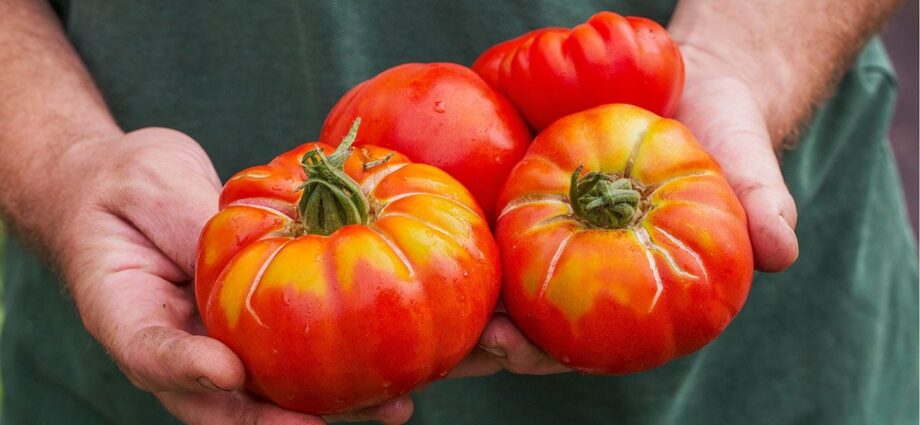


Just because your tomatoes cracked doesn’t mean they’re destined for the compost pile.
Like many kids, I didn’t eat raw tomatoes. I remember being irrationally angry if one made an appearance on my hamburger (a trait my own kids seem to have inherited) or left its wet, seedy calling card on a sandwich after someone supposedly removed it. My parents always told me to “just pick it off,” but that was hardly the point. You could never get every tiny seed, and I was a stubborn child.
My disdain for tomatoes changed when I was a teenager and went on a date at a wonderful Italian restaurant I’d never visited before. My date ordered the bruschetta, and because few people are more vulnerable to peer pressure than a teenager who doesn’t want to look childish, I took a bite. I fell completely in love … with bruschetta, that is. The guy didn’t make it past junior year, but the tomatoes stuck. After that date, I happily piled them onto just about anything.
These days, summer rarely passes without me going through at least several pounds of different types of tomatoes. The best ones are often heirlooms from the farmers market, which means they aren’t always cosmetically perfect. Cracks and splits are common, but it can sometimes be unclear why tomatoes split and whether it’s safe to eat the ones that do.
Why do tomatoes split?

Tomatoes can split after taking in a large amount of water very quickly. This usually happens when heavy rain or an overenthusiastic watering follows a dry spell. The inside of the tomato expands faster than its skin can accommodate, and the skin cracks under the pressure.
There are two common patterns. Radial cracks run vertically from the stem toward the bottom of the tomato, while concentric cracks form rings around the stem. Some varieties are more susceptible than others, which is why cracking can be especially noticeable among the wonderfully irregular heirlooms at the farmers market.
If you grow your own tomatoes, consistent watering can help prevent them from splitting. Keeping the soil evenly moist and adding mulch around the plants reduces the dramatic swings that cause rapid growth. Of course, gardeners have yet to develop a way to schedule summer rainstorms, so even well-cared-for tomatoes may occasionally crack.
Is it safe to eat a split tomato?
The short answer is yes—most of the time. If the crack is small and the tomato otherwise looks fresh, wash it under cool running water, cut away the damaged part and carry on. A split may ruin a tomato’s glamour, but it doesn’t make the rest inedible.
Still, a crack is an opening, which means bugs, mold and bacteria can occasionally find their way inside. Take a good look at the area around the split before you start slicing. If the flesh is discolored, slimy or unusually soft, or if you notice mold, an unpleasant smell or any signs of insects, let that tomato go. The same applies to a deep crack that has clearly been sitting open for a while.
A freshly split tomato that still looks and smells good should be used fairly quickly, since it won’t keep as long as an intact one. Cut out the crack and pile the rest onto a sandwich, turn it into pasta sauce or, in my case, make the bruschetta that was responsible for this entire love affair.
Related:
- Is It Safe to Eat Lettuce? What You Need to Know About Buying Greens
- How to Pick a Perfect Watermelon
- How to Choose the Spiciest Jalapeno at the Store
