 Skip to content
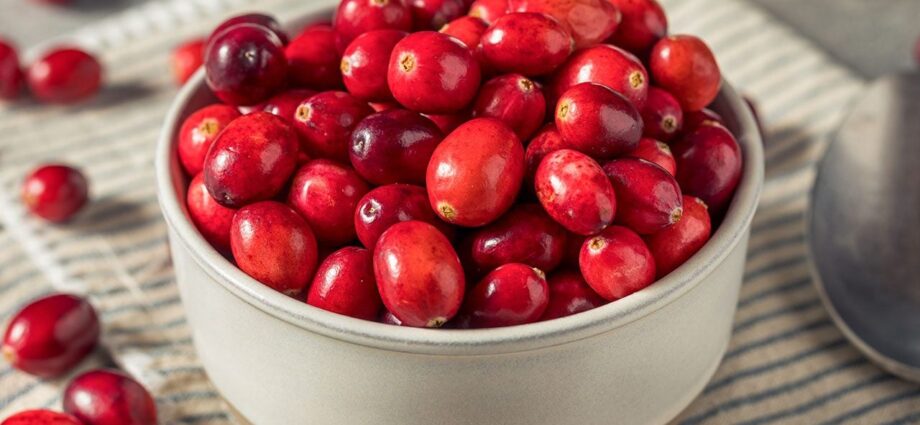


This holiday star rarely turns up in the fruit bowl. Could you eat cranberries raw if you wanted to?
Most of us have likely eaten cranberries without ever trying one on its own. The fruit is familiar enough to be indispensable at Thanksgiving, but rarely considered when we’re in the mood for a bowl of berries to snack on.
I live near Bandon, the Cranberry Capital of Oregon, where enthusiasm for the fruit extends well beyond Thanksgiving. Cranberry bogs are part of the landscape, and local berries fill jars of jam and syrup at roadside stands. This fall, my family attended the annual cranberry festival, where a friend of ours was crowned Cranberry Queen. (It’s a small town.)
Even here, though, cranberries generally arrive at the table with enough sugar to soften their bite. That sharpness is welcome in a buttery loaf or in a cranberry sauce alongside a rich turkey dinner, but a plain berry is a very different experience. So is all that preparation a matter of preference, or do cranberries actually need to be cooked before you eat them?
Can you eat raw cranberries?

Yes, cranberries are safe to eat raw. There’s no need to cook them first; simply rinse them under cool running water and discard any that are soft, shriveled or spoiled. What happens after that is largely between you and your tolerance for sour foods.
Raw cranberries are firm and sharply tart, with a bitterness that can get lost beneath the sugar in cranberry sauce and muffins. They’re also astringent, meaning they leave you with a dry, puckering feeling in your mouth. If you loved the sour fruit trend of adding citric acid to grapes, then you might happily eat a few plain cranberries, but their absence from the average person’s fruit salad is understandable.
They have plenty to offer nutritionally, too. One cup of raw cranberries provides about 4 grams of fiber and 13 milligrams of vitamin C, along with naturally occurring antioxidants. They’re also naturally low in sugar, though that tends to change once we start mixing them with the things that make us love them.
What are the best ways to eat cranberries?
I like cranberries best when their tartness is balanced by something rich or sweet. In a cranberry orange bread, the berries become little pockets of sharp fruit that break up the sweetness, while orange zest and warm spices round out the flavor. They do the same for muffins, cakes and scones, where an acid bite is particularly welcome among all that butter and sugar.
Of course, making sauce remains a very good use for a bag of cranberries. Simmering softens the berries until they burst, and sweetening lets you appreciate their flavor without quite so much puckering. At Thanksgiving, that acidity is part of the appeal: A spoonful brings some relief to a plate largely devoted to gravy, cream and butter. I’m equally happy to see the fruit on the next day’s turkey sandwich along with plenty of mayonnaise.
If you’d rather leave the berries uncooked, chopping them finely makes their intensity easier to distribute throughout a dish. A fresh relish with orange and sugar preserves their crisp texture, while cranberry salsa takes them in a savory direction. You can also blend a small handful into a smoothie with sweeter fruit.
And if you bought more than you need, cranberries freeze beautifully. Set some aside for baking after the holidays. A cranberry-orange loaf will be just as appreciated when the oven has considerably fewer obligations.
Related:
- How to Pick the Best Pumpkin for Fall Soups
- Does One Moldy Berry Mean You Have to Throw Away the Whole Pint?
- Should You Be Washing Your Bananas?
