 Skip to content
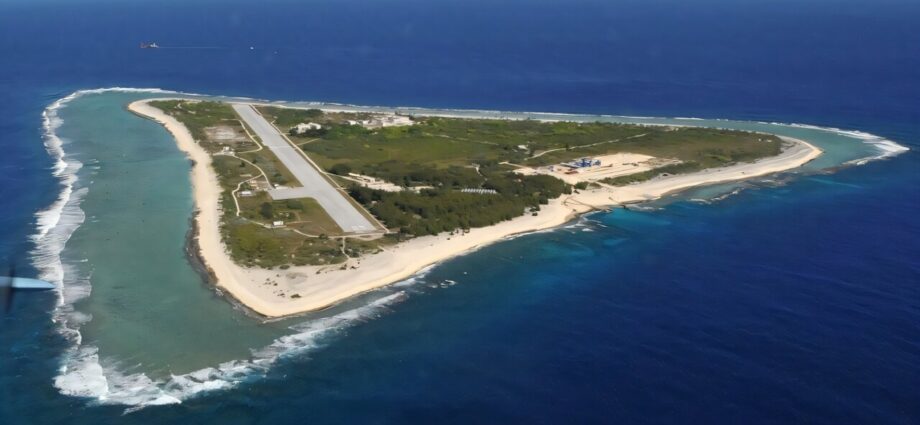
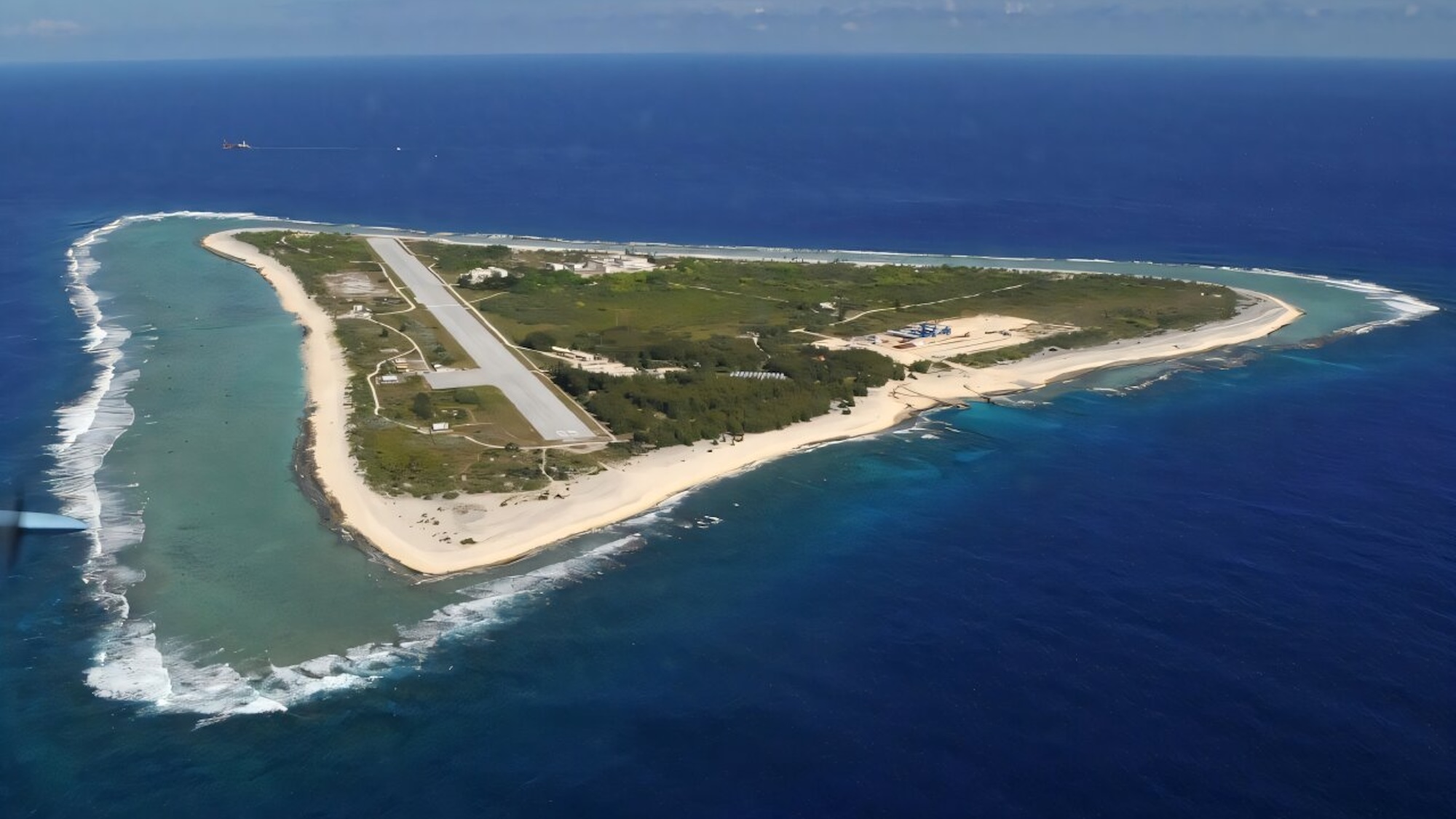
The island is surrounded by a coral atoll and is only 0.6 miles wide.
Credit: AFP
Get the Popular Science daily newsletter💡
Breakthroughs, discoveries, and DIY tips sent six days a week.
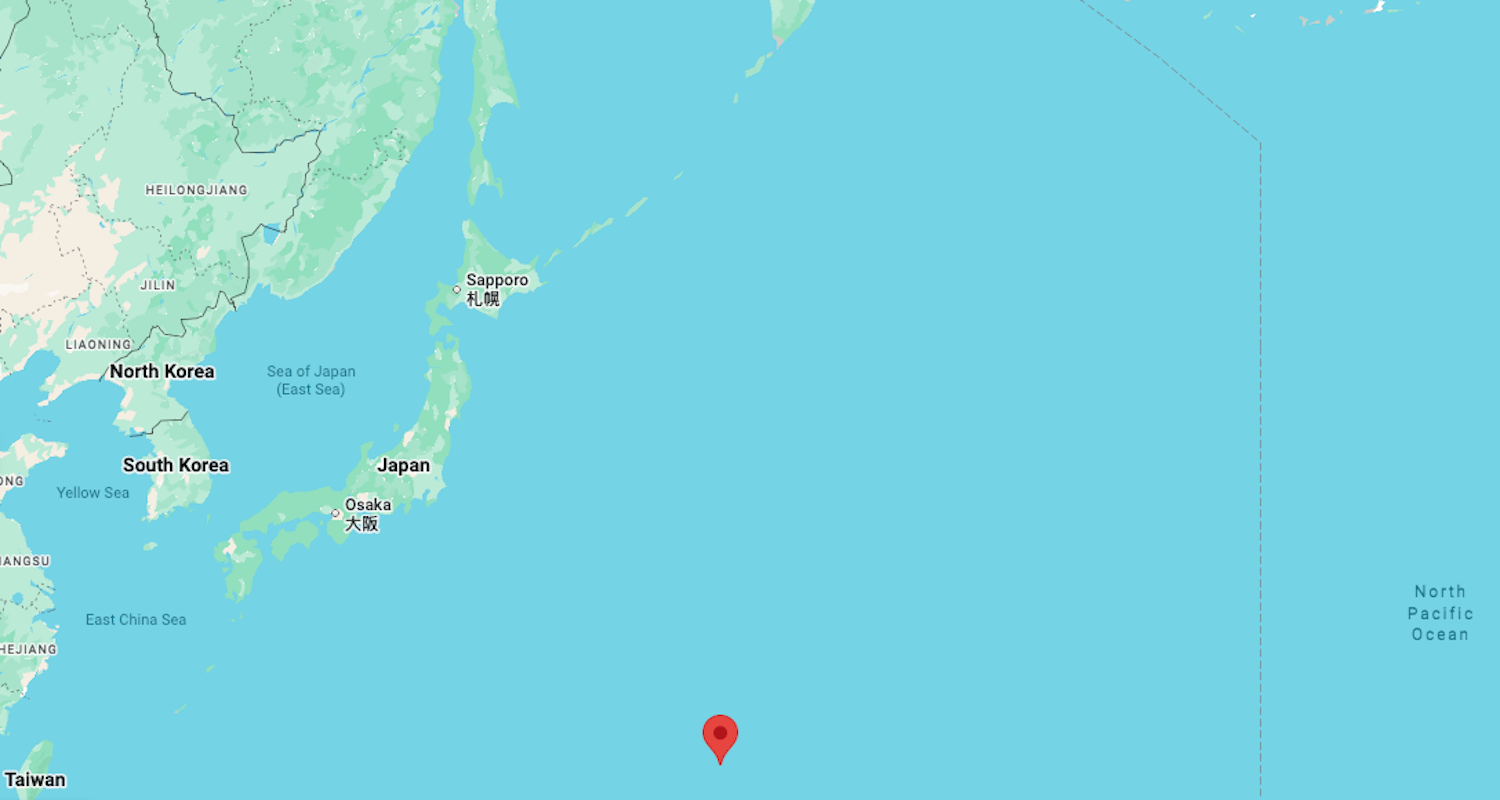
Nuclear power is on the rise around the world, but with it comes an extremely pressing question: where will all of the radioactive waste be stored? For Japan, one answer may lie in literally the most remote location at their disposal. Representatives confirmed to the AFP that they are considering the establishment of a nuclear waste burial facility on Minamitorishima, a tiny island located at the furthest edge of Japan’s easternmost territory almost 1,250 miles from Tokyo.
At only 0.6 square miles, the triangular island is surrounded by a coral atoll, completely uninhabited, and closed to any tourists or visitors. Speaking to reporters on March 3rd, Japan’s Minister of Economy, Trade, and Industry Ryosei Akazawa said Minamitorishima includes “unexplored” areas capable of housing the infrastructure needed for waste disposal, and features “scientifically favorable traits.”
Even with its controversial (and occasionally terrifying) history, nuclear power is growing more attractive to many countries as they continue to shift away from fossil fuels. A Gallup poll from April 2023 indicated around 55 percent of the US supports increased reliance on nuclear energy. On March 4th, the U.S. Nuclear Regulatory Commission approved an advanced, 345-megawatt nuclear plant in Wyoming, while the current administration aims to quadruple the country’s power capabilities by 2050.
Although the 2011 Fukushima nuclear disaster was the worst catastrophe of its kind since Chernobyl, Japan wants to adopt “maximum use” of the industry based on energy policy documents. In January, the country restarted the world’s largest nuclear power plant for the first time since Fukushima.
Additional surveys are still needed before any plans on Minamitorishima can move forward, but it appears that e the island is the most likely candidate for the burial facility. Officials have already conducted preliminary location investigations at three sites on two of Japan’s most heavily populated islands, Hokkaido and Kyushu.

2025 PopSci Best of What’s New
The 50 most important innovations of the year
