 Skip to content
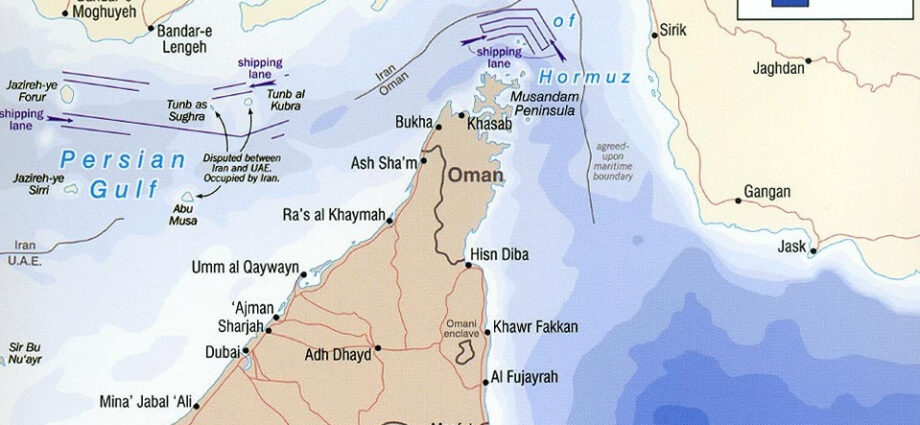
Iranian retaliation has caused an effective closure of the Strait of Hormuz since ~March 2–4. Traffic has dropped from 150+ vessels/day to near-zero on many days, with 21+ confirmed attacks on merchant ships. This matches the scenario’s description of disruption, price spikes, and US-led response pressure.
Reopening Hormuz is economically non-optional. It carries 20% of global oil and LNG trade (20 million barrels/day pre-crisis). There is Saudi and UAE pipelines to move about 9 million barrels per day to circumvent the Hormuz closure. There is the use of strategic oil reserves for about 2 million barrels per day.
Prolonged closure risks severe global inflation, recessionary hits to importers (especially Asia), and political damage for Trump. Only the US Navy has the full-spectrum capability for sustained mine-clearing + escorted convoys in a contested environment. No other nation (or realistic coalition) can provide the escorts/air cover at scale. Gulf states (GCC) have aligned closer against Iran after its attacks backfired. The military phases (degradation → mine-clearing → escorts) follow standard US doctrine. $200 billion is fiscally trivial (~1 extra month of total US federal spending or ~2 months of defense budget in FY2026 context, where defense is ~$840–901 billion base + extras).
Historical precedents suggest 2–4+ weeks minimum for safe corridors, not 7–14 days. Oil-to-$160+ in 6 weeks is a plausible tail-risk if full closure + major infrastructure damage persists, but current mitigations have capped it lower so far. Australia’s diesel crisis is real but stems more from chronic low stockpiles + refinery closures and failed policy.
Economic Impact of Partial Hormuz Shutdown
The closure is partial/effective. Iran allows some of its own oil and attacks deter others.
Impacts so far
Oil prices: Brent surged 10–13% initially (from ~$73 pre-war to $80–$103. Intra-day peaks ~$119). Models project $98 WTI average for a one-quarter closure (Dallas Fed, March 20, 2026), or $115+ if extended.
Tail scenarios (full prolonged + damage). $140–200 cited by some analysts/Iraqi officials. Global GDP hit is –2.9% annualized in Q2 if one-quarter closure. Partial recovery on reopening but lingering 0.1–0.2% GDP loss into 2027.
Broader effects like Inflation spike (ECB postponed rate cuts. UK/Europe forecasts raised). Higher freight/insurance. Hits to autos, metals, agriculture, and emerging markets (Asia takes 75% of Gulf exports). Shipping firms suspended ops. War-risk premiums soar.
Oil Supply Mitigation
Freeing up sanctioned Iranian oil + other mitigations. US Treasury (announced March 20–21, 2026) gave a temporary 30-day waiver on Iranian oil at sea (140 million barrels stranded, much previously discounted to China). Allows market-price sales to others. Aims to inject supply quickly and relieve pressure (limited 10–14 day effect expected). Treasury Secretary called it using Iranian barrels against Tehran.
Military Control of Hormuz and Protecting Gulf Oil and Gas
IRAN WAR Degradation phase – Last 3 weeks and NOW
16000+ targets hit. This is going off of databases of pre-determined most important targets and real time target assessments. 900+ targets per day.
This is like we immediately go to hitting inside Germany (1945 phase) and its industrial and military heartland.
Air domination – USA hits everything that they want to raget. Hundreds of planes, choppers, missiles, drones hunting targets all the time.
Close in loitering munitions and cheap drones, taking out security check points.
Spies and sateliite analysis determine targets. The 90% of iranians against the regime send phone video out to identify security hiding in tunnels and under bridges.
Millions have risen up against the regime and the regime suppression in Jan killed 30000+.
More killed by regime this year than in US and Israel bombing. Those who rose up wanted help and they view this as part of the help to get rid of the regime.
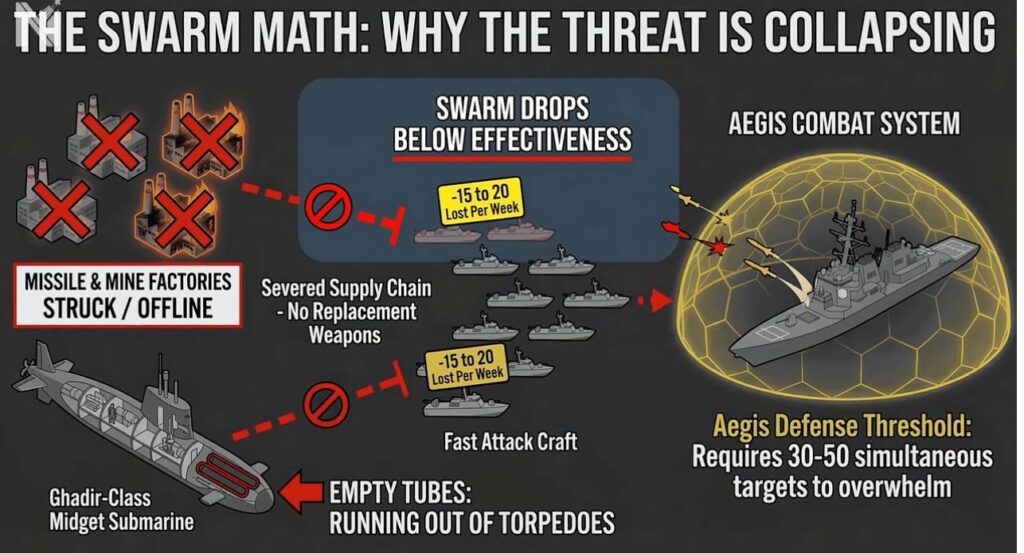
A-10 Warthogs (about 20-30) actively hunt and destroy Iranian fast-attack boats, minelayers, and coastal launch sites (100+ vessels neutralized).
Apache gunships (US + UAE/Israeli) cheaply kill slow Shahed-type drones. about 60-80. from Qatar and UAE.
B-1B Lancers, B-52s, and F-35s strike hardened missile silos, C2 nodes, and storage bunkers with penetrators.
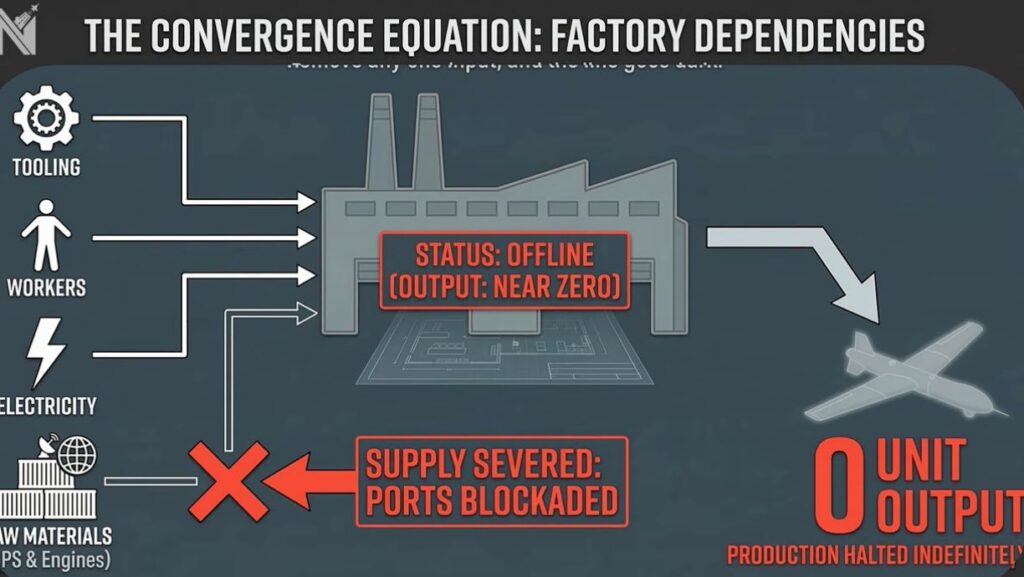
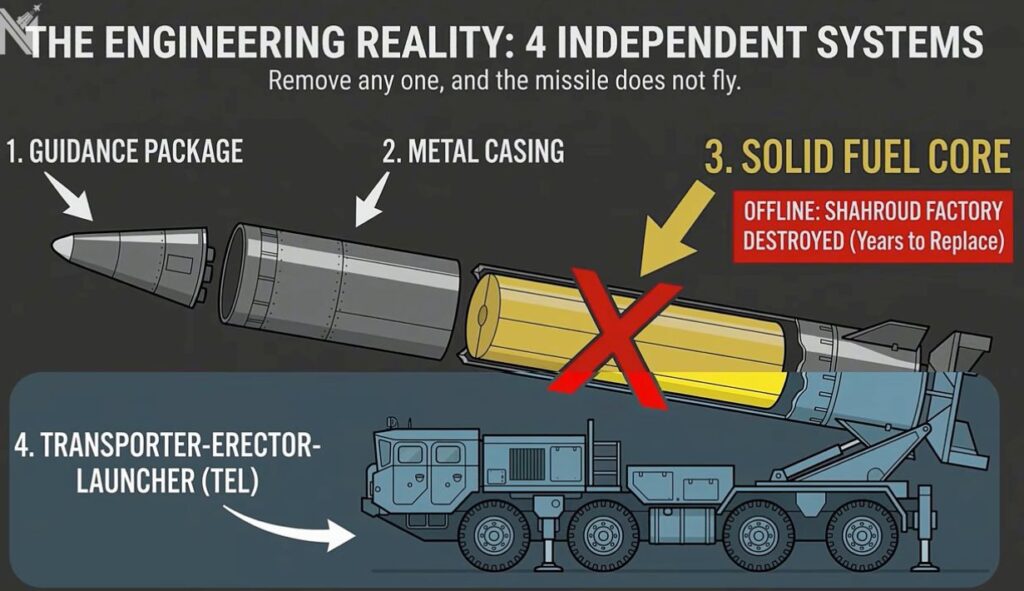
Iran’s ability to sustain attacks has already been cut dramatically (Iran navy largely destroyed.)
missile/drone salvos down sharply).
Mine-clearing phase (prepping now)
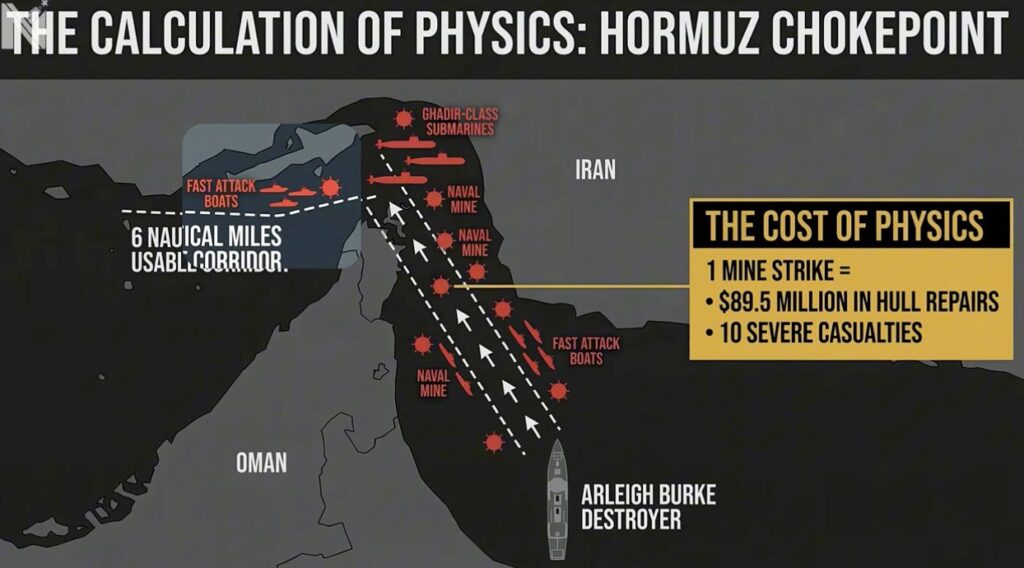
US Navy uses Littoral Combat Ships (LCS), MH-60 helicopters, and unmanned underwater vehicles to carve out safe corridors (not the entire 100-mile strait).
De-mining is the hardest part but is manageable in lanes. full sweep isn’t required. (4 phase minesweeping, detection, spoofing to set them off or use drones to destroy)
Escort phase (the breakthrough step)
US Navy destroyers and coalition ships run protected tanker convoys with overhead air cover and A-10/Apache patrols.
First convoys might start within 7–21 days once corridors are cleared and threats are low enough.
Tankers sail in groups. Successful transits = Hormuz reopened declaration + IEA strategic reserve releases to calm markets.
Kharg island and other islands in Hormuz is IF escalation is required. IF air and navy is not enough. IF negotiations with what is left requires it.
Destroyers will need to be in the gulf. I think closer air support suppression would be better by holding the islands. Better to have US marines with drones, choppers and missiles right there for fastest response.
Of the 10-14 destroyers it will be 80%+ USA. Maybe 2 UK, Maybe 1 french but doubt it. Not many others have anything.
Japan and South Korea have stuff but those need to stay in the Pacific as part of Team USA to protect Taiwan.
U.S. Army has 750 AH-64 Apaches total (590–800 E-models after National Guard shifts). Air Force has ~162–281 A-10s. 60 to 80 Apaches and about 24 A10s are already in use in theater. It would be logical to surge from CONUS/Europe/Pacific reserves without stripping Taiwan defenses. Allies (UAE/Qatar/Saudi) fly their own ~70 Apaches alongside. 48–72 hours to reposition by C-17. Full effect in 7–10 days.
Gulf Country Defences
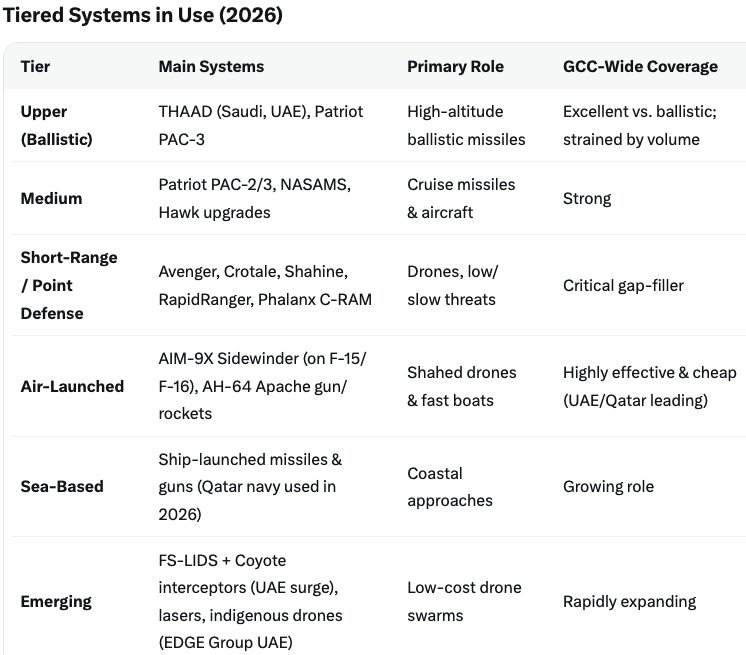
Add another 48 AH-64E Guardians and 24-36 more A10s.
Add Anti-drone layers like an additional 20 FS-LIDS systems + 480 Coyote Block 2 interceptors.

Brian Wang is a Futurist Thought Leader and a popular Science blogger with 1 million readers per month. His blog Nextbigfuture.com is ranked #1 Science News Blog. It covers many disruptive technology and trends including Space, Robotics, Artificial Intelligence, Medicine, Anti-aging Biotechnology, and Nanotechnology.
Known for identifying cutting edge technologies, he is currently a Co-Founder of a startup and fundraiser for high potential early-stage companies. He is the Head of Research for Allocations for deep technology investments and an Angel Investor at Space Angels.
A frequent speaker at corporations, he has been a TEDx speaker, a Singularity University speaker and guest at numerous interviews for radio and podcasts. He is open to public speaking and advising engagements.
