 Skip to content
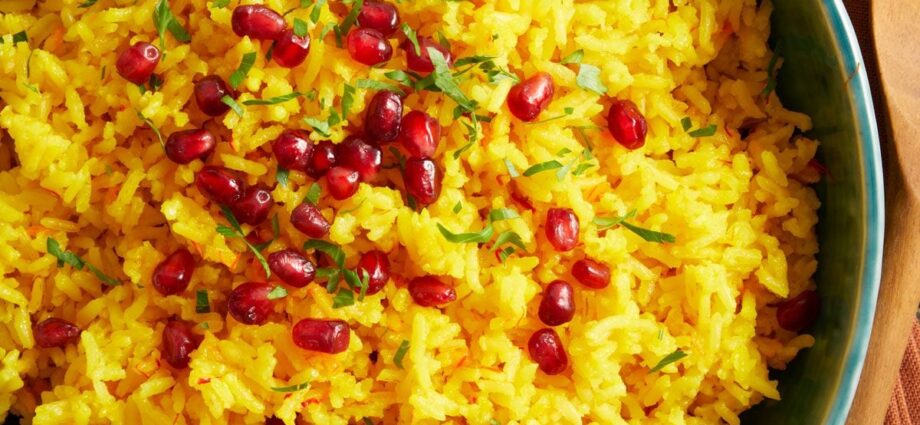
Rice is a frequent dinner side in my home. It’s filling, easy to cook, and pairs with pretty much all my dinner ideas. But when I want to elevate perfectly fluffy rice for guests, I reach for the most expensive herb in my cabinet: saffron.
This saffron rice iteration is one of many from around the world. Saffron has always been a luxe ingredient (it was so sought after as a remedy for the black death that in 1374 it sparked a 14-week war), partly because everything it touches turns to gold. No, really—when cooked, the fiery-red stigmas impart a beautifully golden hue. Saffron continues to be prized for its floral, earthy, honey-like flavor.
What is saffron rice?
Saffron rice, also known as yellow rice, is a dish made with long-grain white rice that’s cooked in broth with saffron until the rice is fragrant, fluffy and beautifully golden, like the color of daisies. Saffron rice shows up on tables around the world, most famously in Iran, India, Bangladesh and Pakistan, among other Middle Eastern and South and West Asian countries.
Persian saffron rice is made with yogurt and baked in a Dutch oven to form tahdig (a crunchy, golden layer of rice), and the whole thing is flipped onto a plate before being broken up with spoons. Indian saffron rice is made with golden raisins and lots of warming spices like cardamom, cinnamon, ginger and nutmeg. But since rice is so common and saffron is so sought after, these are just a couple examples of saffron rice recipes.
How to Cook Saffron Rice
To cook saffron rice, heat olive oil in a large saucepan over medium-high heat, then cook long-grain white rice (like jasmine or basmati) in the oil until it’s golden brown and toasty, about four minutes, stirring occasionally but never walking away from the pot. Add the saffron threads and cook them for one additional minute to bring out the saffron’s flavor.
Pour in the broth, let everything come to a boil, then turn the heat down so the broth is only at a simmer. Cook the rice, covered, until it’s tender. Remove the pot from the heat, stir in a bit of butter, then place the lid back on and let the rice steam for five more minutes. Finally, fluff up the rice and serve it!
Ingredients for Saffron Rice

- Olive oil: Before cooking the rice in the broth, you’ll saute the rice in olive oil so it’s crispy and caramelized. This is a quick way to deepen the flavor. You can really use any oil here, but we like olive oil best for this step.
- Long-grain rice: Jasmine and basmati are the best types of rice for saffron rice. Long-grain rice is less starchy than short-grain rice, meaning it isn’t as likely to clump and will keep a light, fluffy texture. Short-grain rice is best for sticky rice dishes like sushi or arancini.
- Broth: Use chicken or vegetable broth for your saffron rice. Honestly, even as a meat-eater, I prefer vegetable broth. I always find that it’s more nuanced and flavorful than beef or chicken broth. Chicken broth works perfectly well, though. Just don’t use beef broth—it’ll overpower the saffron’s flavor.
- Saffron threads: This fire-red dried spice is one of the most expensive items in the spice aisle. You may have bought it to make kulfi or saffron risotto, so use up those leftover saffron strands here. If you don’t have saffron, mix together 1/4 teaspoon of turmeric with 1/2 teaspoon of paprika to mimic the flavor and color as closely as possible.
How to Make Saffron Rice
Step 1: Toast the rice

In a large saucepan or Dutch oven, heat the olive oil over medium-high heat. Add the long-grain rice, and cook and stir it for four to five minutes or until it turns golden brown.
Editor’s Tip: Toasting the rice ensures the grains stay separated during cooking and caramelizes the rice for a deeper flavor.
Step 2: Add the saffron

Add the saffron to the pot and cook for one minute longer.
Step 3: Steam the rice
Pour in the chicken or vegetable broth. Bring everything to a boil, then reduce the heat. Simmer the rice, covered, for 15 to 20 minutes or until the rice is tender.
Step 4: Finish it with butter

Remove the pot from the heat. Add the butter if you’re using it, and gently stir to combine. Let the rice stand, covered, for five minutes to finish steaming.
Editor’s Tip: Avoid over-stirring the cooked rice, or it will become mushy.

Recipe Variations
- Play with whole spices: One of the best ways to infuse saffron rice with more flavor is to use whole spices. Cinnamon sticks, cloves, cardamom pods, star anise, bay leaves and caraway seeds all pair beautifully with saffron rice. Add them to the pot with the broth, and fish them out after cooking but before serving the rice.
- Introduce herbs: Adding herbs to saffron rice produces a dish similar to sabzi polo—a traditional Nowruz dish for the Persian New Year. This trick doesn’t make authentic sabzi polo by any means, but the fresh herbs brighten the saffron rice. Add freshly minced dill, cilantro, parsley and chives to the pot when you add the butter. Let them wilt for five minutes while the rice finishes steaming, then carefully fold them into the rice. Don’t overstir, though, or the rice will become mushy.
- Add onions: I love adding sauteed onions to a big batch of rice. They add the perfect amount of pungency and deeply savory flavor with hardly any extra effort at all. Saute the onions for four minutes, then add the rice and saute until the rice turns golden brown. You could also add caramelized onions for a truly nutty, sweet onion flavor.
- Include nuts: Chopped pistachios, slivered almonds or cashew halves add nuttiness and crunchy texture to the saffron rice. I recommend toasting the nuts beforehand.
- Sweeten with dried fruit: Little pockets of chewy sweetness are very pleasant in saffron rice, especially when served with a deeply savory and meaty main. Try adding golden raisins or dried apricots, cranberries or cherries.
- Finish with bright toppings: Serve your saffron rice in a pretty bowl and top it with chopped parsley and pomegranate seeds to add color, texture and even more flavor. It looks so pretty on the table, all done up.
How to Store Saffron Rice
To store saffron rice, cool it down as quickly as possible. Rice sitting at room temperature can begin to grow bacteria very quickly. To avoid this, immediately spread any leftover rice on a baking tray and place it in the fridge. Do not cover the rice; the hot air won’t be able to escape. As soon as the saffron rice has cooled, transfer it to airtight containers and store in the fridge. Cooked rice lasts for up to four days in the fridge.
Can you freeze saffron rice?
Yes, you can freeze saffron rice. To freeze leftover rice, spread the cooked rice on a metal baking sheet or pan to cool it off as quickly as possible. Place the pan in the fridge in a level area so it won’t tip over, and let the rice cool completely. Keep it uncovered so the hot air can escape. Scoop the rice into resealable bags (this is a great time to portion it into single servings, but you can put it all in one bag if desired) and seal the top. Freeze the rice for up to two months.
Saffron Rice Tips

What do you serve with saffron rice?
Serve saffron rice with hearty mains to complete your dinner spread. Try it with viral parchment paper gyros (no need to have a spit in the kitchen!), richly spiced chicken shawarma, vegetarian-friendly falafel, this impressive pear and pomegranate lamb tagine made with gorgeous lamb shanks, or an easy slow-cooker tangerine chicken tagine that’s perfect for busy weeknights.
For a lighter meal, serve saffron rice with a protein-rich Lebanese garlic chickpea salad or breakfast staples like Turkish eggs (poached eggs nestled in garlicky yogurt with chili oil).
Should you rinse the rice before cooking? How do you wash rice?
Yes, you can rinse the rice before cooking it, but it’s not absolutely necessary. However, we do like to rinse the rice before cooking it because it removes excess starch, keeping the grains from clumping. Rinsing also removes unwanted buildup that the rice may have picked up during processing. Dust, rocks, chemicals and even bugs can be found in uncooked rice, so it’s worth taking the extra quick step.
To wash rice, place your desired amount in a large bowl. Fill the bowl with just enough cold water to cover the rice. Use your fingers to agitate the rice, swishing it around until the water becomes cloudy. Drain the water, then repeat until the water is clear—as many as five times. You could also place the rice in a fine-mesh strainer and run cold water over it, agitating it with your fingers until the water runs clear.
Why is my saffron rice too mushy? Why is it too crunchy?
If your saffron rice is too mushy or too crunchy, the water-to-rice ratio was off. Be sure to measure both the rice and water accurately, and don’t skimp on the oil!
Another culprit of too-crunchy saffron rice is too-high heat. High heat will cause the water to evaporate too quickly, leaving less water for the rice to absorb. As soon as the broth starts to boil, reduce the heat to a simmer. Place the lid on to trap and circulate steam.
