 Skip to content
By Tsvetana Paraskova – Feb 17, 2026, 6:00 PM CST
- VLCC freight rates surged to multi-year highs due to rising oil flows, longer voyages, sanctions, and geopolitical tension.
- South Korea’s Sinokor and MSC-linked buyers have gained control of roughly 120 vessels, tightening supply and amplifying rate volatility.
- Executives say this consolidation is fundamentally shifting pricing dynamics, allowing major players to influence spot and charter markets.
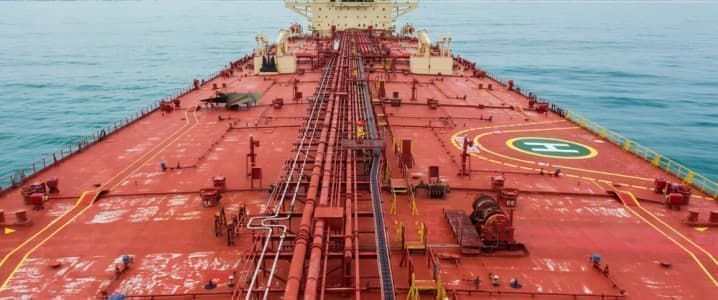
Geopolitics, growing oil supply, longer voyages, and disruptions due to sanctions and altered shipping lanes pushed crude oil tanker rates to multi-year highs at the end of 2025.
After a dip in January, rates started climbing again this month in what shipping executives described as a fundamental shift in the market for very large crude carriers (VLCC) capable of carrying around 1.9 million barrels to 2.2 million barrels of crude.
This shift is a major buying spree from South Korea’s Sinokor shipping group and Italian billionaire Gianluigi Aponte, founder of MSC Mediterranean Shipping Company, according to Bloomberg interviews with shipping brokers, vessel owners, and executives.
Shipbroker reports and shipping executives noted in recent reports and earnings call that Sinokor’s move to control more than a hundred VLCCs of the available non-sanctioned fleet is changing the way other owners act and is pushing freight rates higher.
Spiking Freight Rates
Rates were soaring at the end of last year, even before the market became aware of an unprecedented consolidation shift.
Growing demand for crude oil shipments, particularly from buyers in East Asia, boosted crude tanker rates to multi-year highs at the end of last year, as the number of vessels available for bookings began to shrink due to higher oil shipments demand, the U.S. Energy Information Administration (EIA) said in an analysis in January.
As higher oil production and lower oil prices created additional demand for crude, VLCC rates spiked by 118% year on year in November from the Persian Gulf to the U.S. Gulf Coast. Rates from the Persian Gulf to Asia jumped by 139%, according to Argus data cited by the EIA.
Moreover, supertanker rates on the route between the Middle East and China hit their highest in five years as traders sought alternatives to Russian crude after the U.S. sanctioned Russia’s biggest oil producers and exporters, Rosneft and Lukoil.
Seasonal factors pushed tanker rates lower in January, before the next leg higher, driven by geopolitical concerns over U.S.-Iran tensions.
In addition, the new oil order in Venezuela imposed by the Trump Administration prompted the world’s top traders to charter more legitimate vessels to ship and sell Venezuela’s crude to U.S. refineries on the Gulf Coast or in Europe and Asia.
Unprecedented Fleet Consolidation
Adding to all these factors is Sinokor’s massive bet to control an estimated number of 120 VLCCs.
Because of the Sinokor deals to buy and charter vessels, the supertanker rates have now jumped fourfold over the past month, market sources told Bloomberg.
This fleet consolidation was confirmed in the latest weekly report by shipbroker Fearnleys, which said that the week to February 11 saw “healthy daily earnings upwards of USD 120k/day and above.”
Geopolitical tension was one reason for the high rates. The other was “Sinokor’s continued appetite for tonnage, and by and large, pricing the spot market higher than the prevailing rate level has underpinned the strong sentiment and left charterers with slim pickings for alternatives.”
Kpler, for its part, noted earlier this month that the VLCC market has seen increased volatility in rates.
“The combination of vessels migrating into the shadow fleet last year, more vessels fixed on time charters and a smaller group of owners acquiring larger fleets is creating greater rate volatility,” Kpler’s Matt Wright said in a Q1 2026 tanker market outlook.
One-year charters have jumped by 20% over two months, Ole Hjertaker, chief executive officer of SFL Corporation, said on the shipping company’s earnings call last week.
“I think one very important underlying factor here on the tanker side, which I would call almost unprecedented in the market, at least in the history I have seen, is that you have one party or group of people who are working together who effectively control around a third of the available or traded tanker VLCC fleet out there,” Hjertaker said, without mentioning names.
“We believe they are willing to hold back ships if they do not get the charter rate where they want it to be, which implicitly would give also the other owners out there confidence to hold back and not just drop their rates,” the executive added.
Svein Moxnes Harfjeld, CEO of another crude tanker firm, DHT, said the company believes the supply squeeze in the supertanker is real, also because of the major fleet consolidation.
“As you may have read in the news, a fundamental shift in the fleet ownership is taking place, with fleet consolidation by private actors gaining meaningful traction,” Harfjeld said on DHT’s earnings call in early February, without naming any names.
“We estimate that the aggregators to have gained control of some 120 ships, and we expect their efforts to continue, and in not too long, to control at least 25% of the compliant tramping VLCC fleet, a critical market share,” the executive added.
“This consolidation is shifting the pricing dynamics and is putting pressure on timely availability of ships,” Harfjeld noted.
Looking forward, the tanker market now accounts for another major development on top of the various geopolitical and fundamental factors at play.
By Tsvetana Paraskova for Oilprice.com
More Top Reads From Oilprice.com
- Germany’s Mukran LNG Terminal Reopens After Frozen Baltic Is Cleared
- Dangote Drives Nigeria’s Domestic Fuel Supply Above 57% as Imports Retreat
- Hungary Seeks Croatian Help As Russian Oil Flows Via Ukraine Halted
Download The Free Oilprice App Today



Tsvetana Paraskova
Tsvetana is a writer for Oilprice.com with over a decade of experience writing for news outlets such as iNVEZZ and SeeNews.
