 Skip to content
SNEHIT PHOTO/Shutterstock
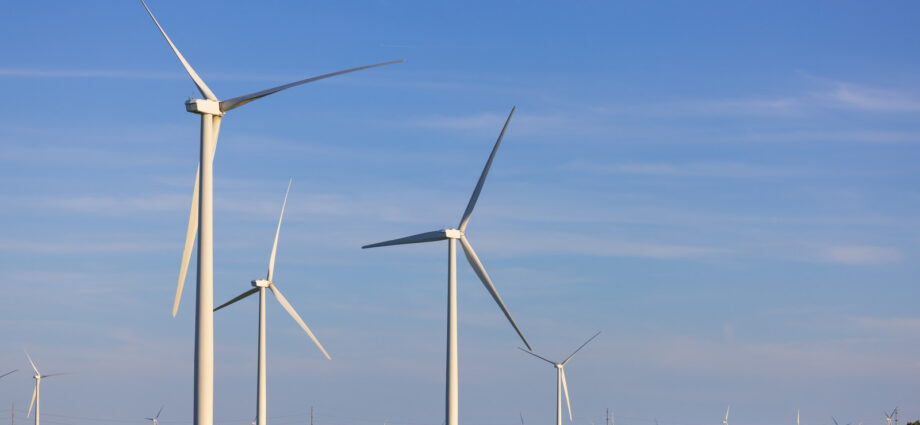
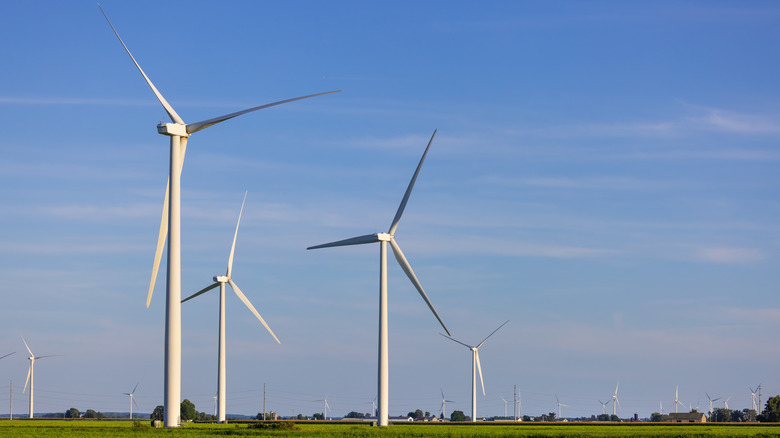
For years now, the U.S. Department of Energy has had one major roadblock to the streamlining of wind turbine installation: the sheer amount of work it takes to manufacture blades. Thanks to 3D printing, the DOE has a new approach that could dramatically change the speed at which these lightweight blades are designed and built.
Rather than relying exclusively on the traditional process of creating a full-scale plug before manufacturing a blade mold, researchers are finding ways to use large 3D-printed molds to make manufacturing faster, more affordable, and even more flexibility in the design of future blades. The best wind turbine blade design is currently the three-bladed horizontal-axis rotor, but that very well could change if experimental blades could be more accessible.
This 3D printing effort is currently moving in various different directions, including the Department of Energy’s Wind Energy Technologies Office and Advanced Manufacturing Office alongside national laboratories and various private-sector partners. Wind energy already supplies more than 10% of U.S. electricity and generating enough power for tens of millions of American homes. With these advances, the DOE could take the nation’s renewable energy infrastructure to entirely new heights, and it’s also worth noting that the U.S. is also home to many large wind turbine manufacturers.
How wind turbine blade production works
WILLIAM LUQUE/Shutterstock
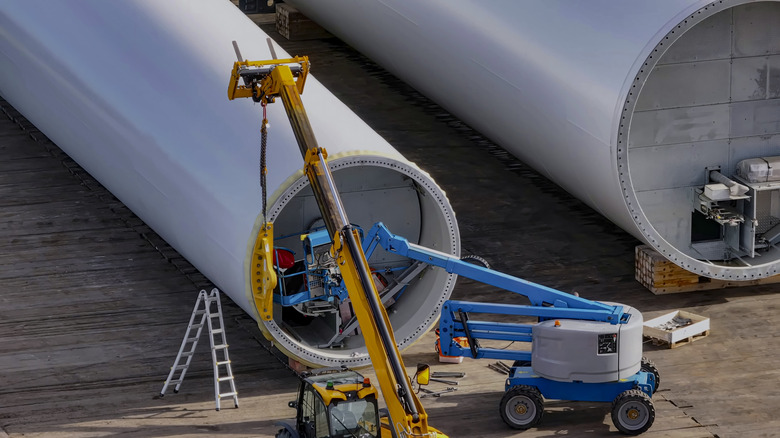
In years past, wind turbine blade production begins by constructing a full-size physical model known as a plug. That plug is then used to create the mold that forms the final composite blade. It sounds simple, but in reality, it takes a significant amount of time, labor, and money to make it happen. They have to last for decades, and that means building them right. But “right” will depend on the scenario, and that means tons of different plugs.
Think about it: There’s no one set ideal length for a wind turbine blade, which means different plugs are needed for all those different lengths. The largest wind turbines and the smallest wind turbines will need very different blade sizes. Offshore versus onshore wind turbines can also come with completely different blade lengths. With 3D printing, engineers can just generate all those various molds straight from a digital design file.
Take Oak Ridge National Laboratory’s Big Area Additive Manufacturing (BAAM) machine, for example. It builds the mold layer by layer using heated composite material before workers apply fiberglass, machine the surface to the required finish, install integrated heating ducts, and assemble the completed mold. Because BAAM can print polymer components more than ten times larger than conventional industrial additive manufacturing systems while operating hundreds of times faster, it provides the kind of scale necessary for these massive molds. No plug required, in other words.
