 Skip to content
“” data-is-feature-img=”true”>

Lucas Gouveia / Jason Montoya / How-To Geek

Jon is a seasoned journalist who has written definitive coverage of consumer tech at publications like Engadget, Android Authority, and BetaKit. He’s an expert on making tech accessible ranging from mobile and PCs to emerging platforms like wearables. When he’s not writing, he’s going on adventures with ihis family and is an avid photographer.
Microsoft’s downfall in the 2000s and 2010s is well-known. The company’s obsession with PCs left it blind to the rise of smartphones, reducing it to one player in a larger computing world. Windows still dominates the computer on your desk, but not the one in your pocket.
However, it’s now clear even that desktop leadership is evaporating. Linux is gradually entering the mainstream, Apple and Google are reaching wider audiences, and Microsoft’s own mistakes are snowballing. Redmond isn’t just at risk of losing market share — it risks losing a whole generation that won’t have to touch Windows. Here’s how it’s all going south for a second time.
Linux is breaking out of its cage
SteamOS and other distros are rising in popularity
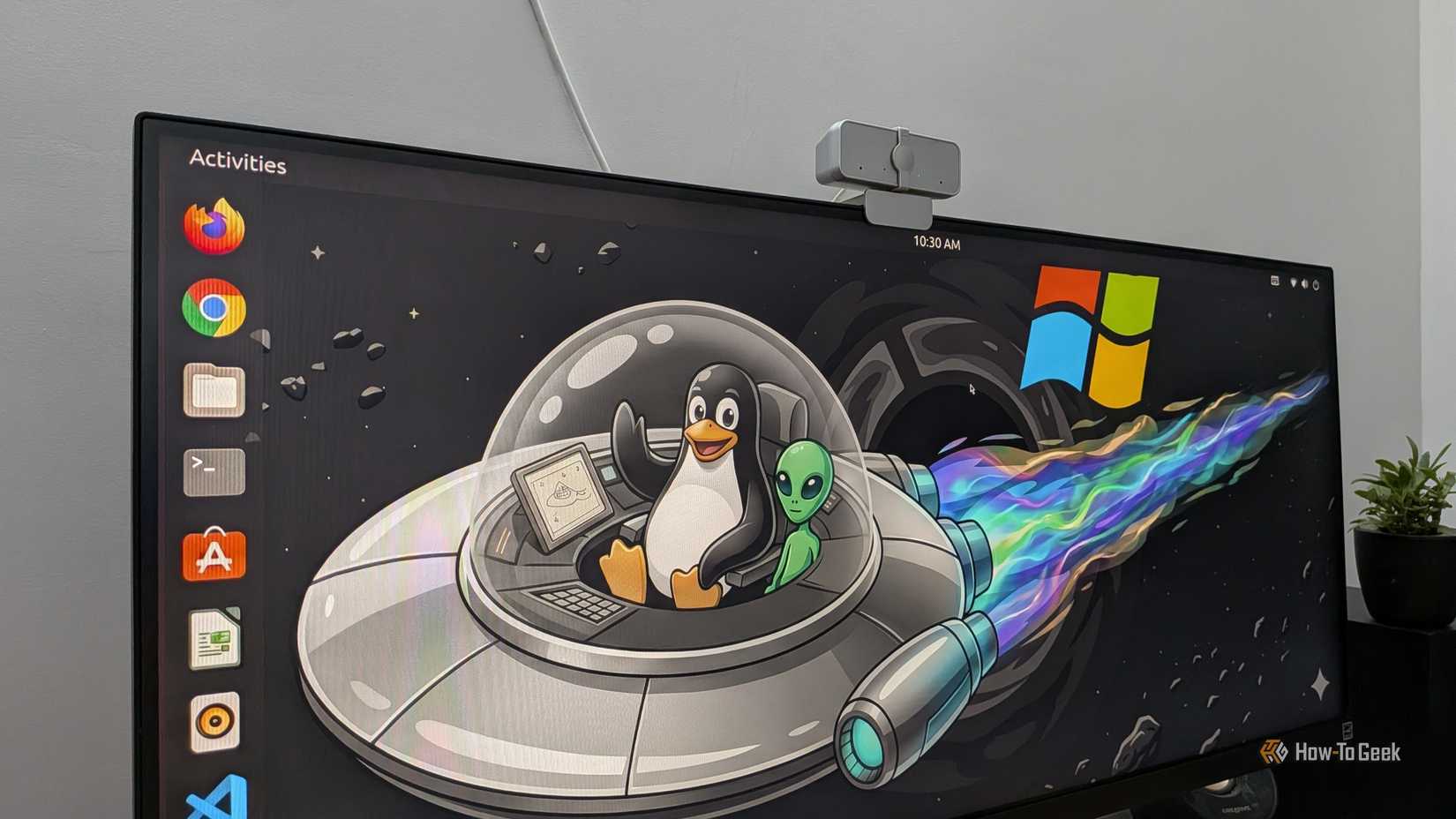
The running joke is that it’s always the year of the Linux desktop, but there’s now evidence to suggest this is more than just wishful thinking.
While some of the surge in Linux use can be attributed to bots, there are many real humans making the leap. Linux market share has roughly doubled since 2022. Frustration with Windows, privacy, climbing PC prices, and better gaming support have all played parts. Linux use on Steam has jumped from roughly 2 percent to 4 percent in the past two years, and not solely due to SteamOS devices like the Steam Deck — it’s just a lot easier to run games on the platform.
Simply put, there are more incentives and reassurances for switching to Linux, even if you aren’t technically experienced.
This isn’t to say Linux will become as ubiquitous as Windows or the Mac in the near term. You still can’t find many mainstream Linux PCs beyond Dell and Valve. But the open-source OS is clearly chipping away at Microsoft’s once-unassailable position, and it’s easy to see a tipping point in the years ahead where Linux cuts deeply into Windows use at home.
Apple and Google are taking younger users away
You might never use Windows growing up
Many grade school and college students are already using Chromebooks in class, but it’s increasingly likely that they’ll be using non-Windows PCs at home, too.
Apple’s first budget laptop, the MacBook Neo, might represent the greatest threat. It’s not as affordable as most Chromebooks at $699, but it’s still much more accessible than a new MacBook Air — and Apple is very clearly targeting students, not just cost-conscious adults. This might be your kid’s first computer, or the one they take to the college dorm. It’s already a hit as it played a major role in Apple’s blockbuster Mac sales this spring.
Google is simultaneously expanding beyond Chromebooks with Googlebooks, or premium Android laptops. They promise more robust app support and performance than any ChromeOS machine, and could help Google escape the Chromebook’s reputation as the cheap laptop you abandon once you leave school. Why buy a Windows PC when a comparable Googlebook will not only run all the apps you need, but some that were previously limited to your phone?
In both cases, Microsoft faces a generational shift that could erode Windows’ long-term market share. If you grow up using a MacBook or Googlebook, you’re less likely to buy a Windows PC once you’re spending your own money — you may be too invested in another OS to jump over. Even if Linux doesn’t take off, there could easily be a legion of young PC buyers who no longer see Windows as the obvious choice.
Windows is getting better, but still has serious issues

Microsoft vowed early this year to fix some of Windows 11’s worst mistakes, such as spammy search boxes, ‘surprise’ updates, over-the-top AI implementations, and basic reliability. Some of those solutions are either here or coming soon. More recently, it promised further fixes that include faster setup as well as better performance with 8GB of RAM. If you hate Windows now, it could be worth a revisit in the next few months.
All these updates are coming years late, though, and they don’t completely address major complaints. PC and peripheral makers are still free to push bloatware. Microsoft officially requires an online account to set up Windows, and continues to collect a large amount of data. Even now, you see constant pitches for Copilot, OneDrive, and other services you might not want to use.
Add the lack of a clear Windows 12 roadmap and you see Microsoft’s problem. The tech giant has spent years alienating both existing and would-be Windows 11 users, and hasn’t yet persuaded them to come back. Remember, Windows Vista stalled Microsoft’s sales and is even credited with a surge in Mac adoption. Unless there’s a significant revision, history could repeat itself and send another wave of customers to other platforms.
Thankfully, this is the one area where Microsoft is well-poised to turn things around. If it sustains its quality commitment and releases Windows 12 in a reasonable time frame, it could keep that potentially lost generation by once more making its OS a selling point. We’ve seen Microsoft rescue itself multiple times through new software, including with Windows 10; I have every reason to believe it can do that again.
